Chronic Pain
Tension-type headache: osteopathic management in Paris 16
Care provided by Charbel Kortbawi, osteopath in Paris 16, at Cabinet Victor Hugo — 7 rue Georges Ville (75016).
What is a tension-type headache?

Definition
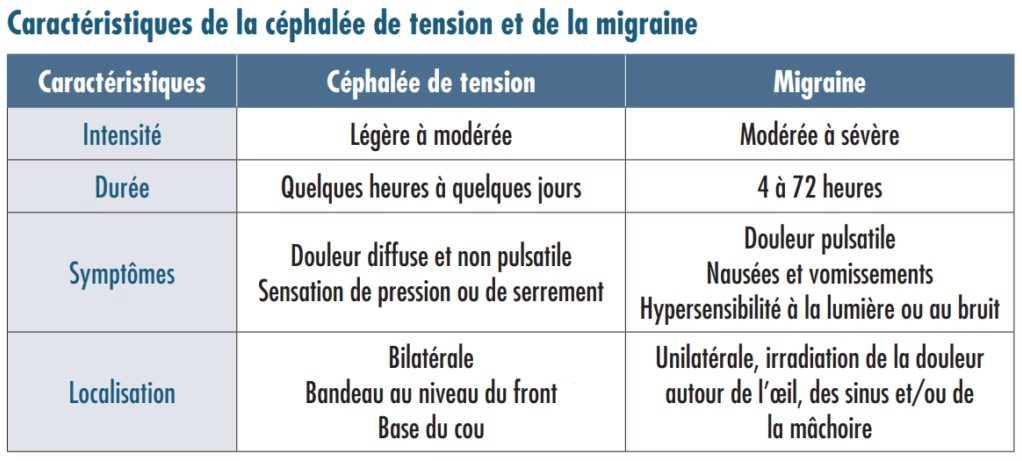
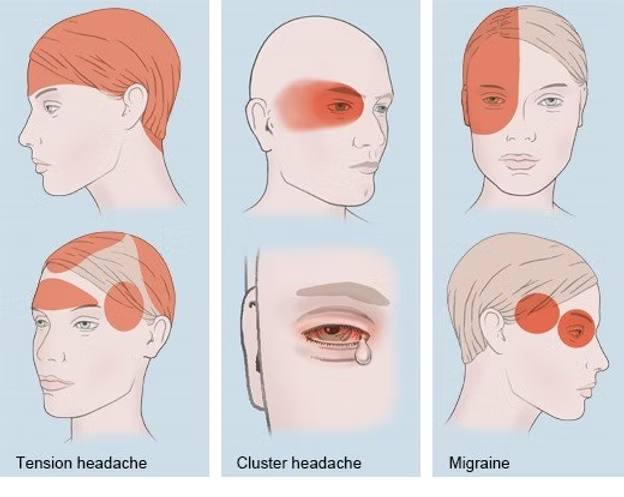
The tension-type headache (TTH) is the most common form of headache, affecting a large proportion of the world's population at some point in life. It is often described as a diffuse, bilateral pain, generally of moderate intensity. Unlike migraine, tension-type headache is not accompanied by neurological symptoms or nausea.
Symptoms
The typical symptoms of tension-type headache include:
- Bilateral pain, often described as a sensation of pressure or tension
- Moderate intensity which does not worsen with normal physical activity
- Mild sensitivity to light or noise, but not as severe as in migraine
- A duration ranging from 30 minutes to several days
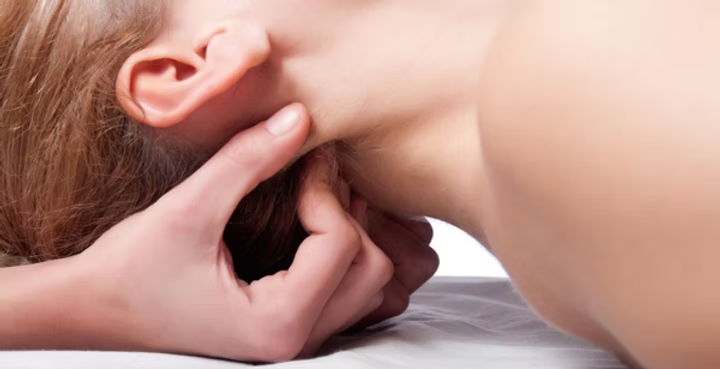
Myofascial approach in the management of tension-type headaches
Treatment of tension-type headache and the contribution of osteopathy and manual therapy
The treatment of tension-type headaches may include several approaches:
- Medication: over-the-counter analgesics such as paracetamol or ibuprofen can be effective. However, excessive use may lead to rebound headaches.
- Lifestyle modifications: adopting stress-management techniques, good hydration, a balanced diet and regular sleep can help reduce the frequency of episodes.
- Osteopathy addresses tension-type headaches by treating musculoskeletal imbalances. Osteopaths use gentle manipulation techniques to: release muscular tension at the neck, jaw, shoulders and back; readjust posture in order to reduce pressure on the muscles. Scientific studies show that osteopathy reduces the frequency and intensity of tension-type headaches, as well as the use of pain-relieving medication.
- Physiotherapy: physiotherapy may include stretching and strengthening exercises to correct muscular imbalances.
Frequently Asked Questions
FAQ
How many osteopathy sessions are needed to treat headaches?
For tension-type headaches, 3 to 5 sessions are generally sufficient. Chronic migraines require longer follow-up, often 6 to 8 sessions spread over 3 to 6 months. Improvement is progressive: reduced frequency from the first sessions, then decreased intensity.
What is the difference between a tension-type headache and a migraine?
Tension-type headache presents as bilateral pressure, without nausea or light sensitivity. Migraine is unilateral, pulsating, often accompanied by nausea, vomiting and photophobia. Osteopathy effectively treats both types by acting on musculoskeletal and cervical imbalances.
Can cervicogenic headaches be treated with osteopathy?
Yes, cervicogenic headaches — whose origin is a dysfunction of the cervical vertebrae — respond very well to osteopathy. Gentle cervical mobilisation techniques and muscular release are particularly effective in reducing the frequency and intensity of these headaches.
Should I see a doctor before seeing an osteopath for headaches?
It is not mandatory for usual headaches. However, consult a doctor urgently if your headaches are sudden and intense (thunderclap type), accompanied by fever, neck stiffness, visual disturbances or neurological deficits.