Physical exercise and osteopathy: how to combine them?
The benefits of combining physical exercise with osteopathy in the management of back pain
Spinal pain and its consequences
Spinal pain is one of the most common health problems, particularly in adults, and can limit quality of life and functional capacities. Scientific research shows that combining manual therapy with exercise programmes produces significantly better results than manual therapy alone, particularly because of the impact of exercise on neuronal plasticity and pain modulation. This article examines the mechanisms by which this combination improves the management of patients suffering from spinal pain.
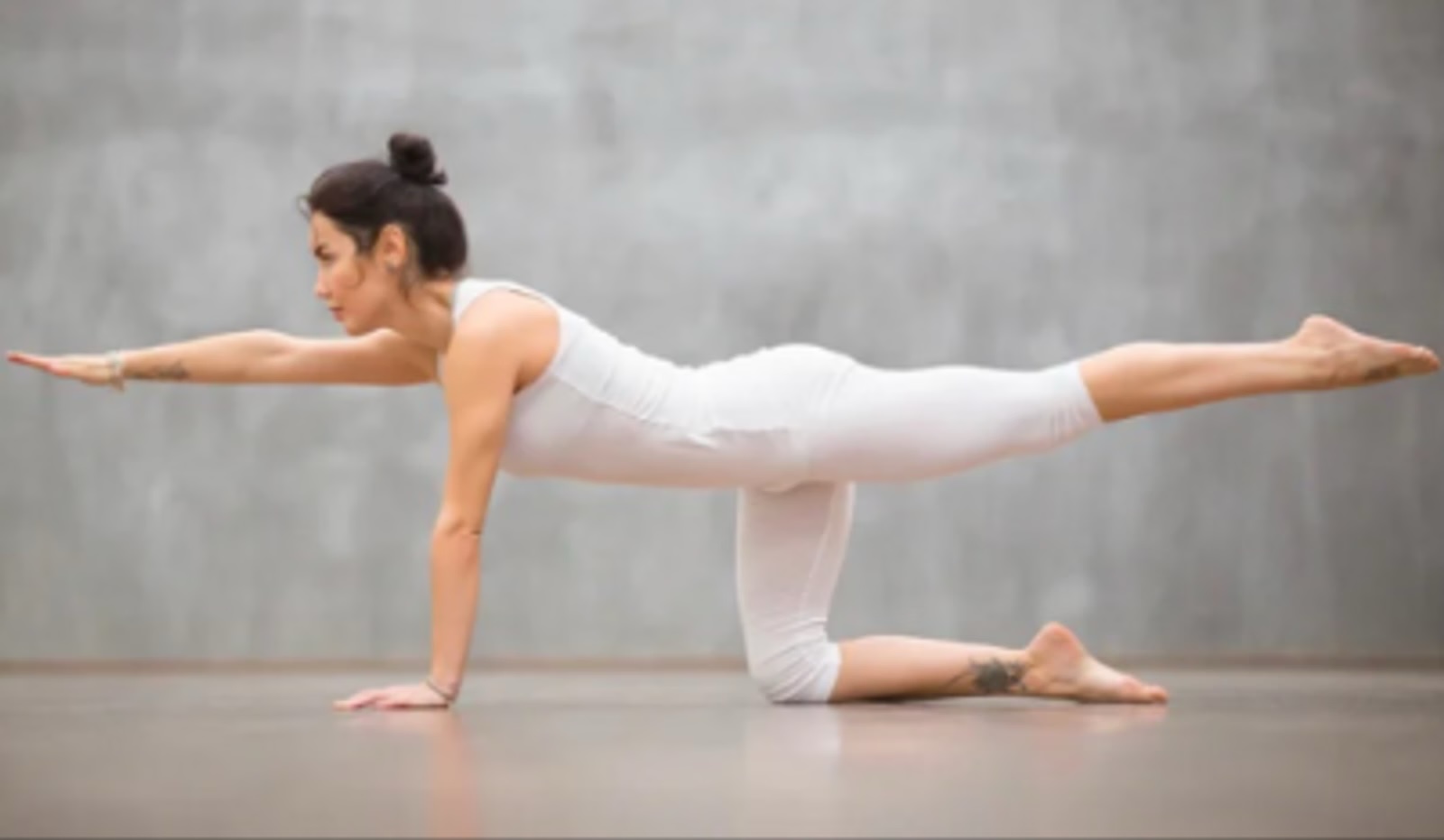
The mechanical causes of back pain
Spinal pain is generally caused by mechanical and postural factors that affect the various regions of the spine (cervical, thoracic and lumbar).
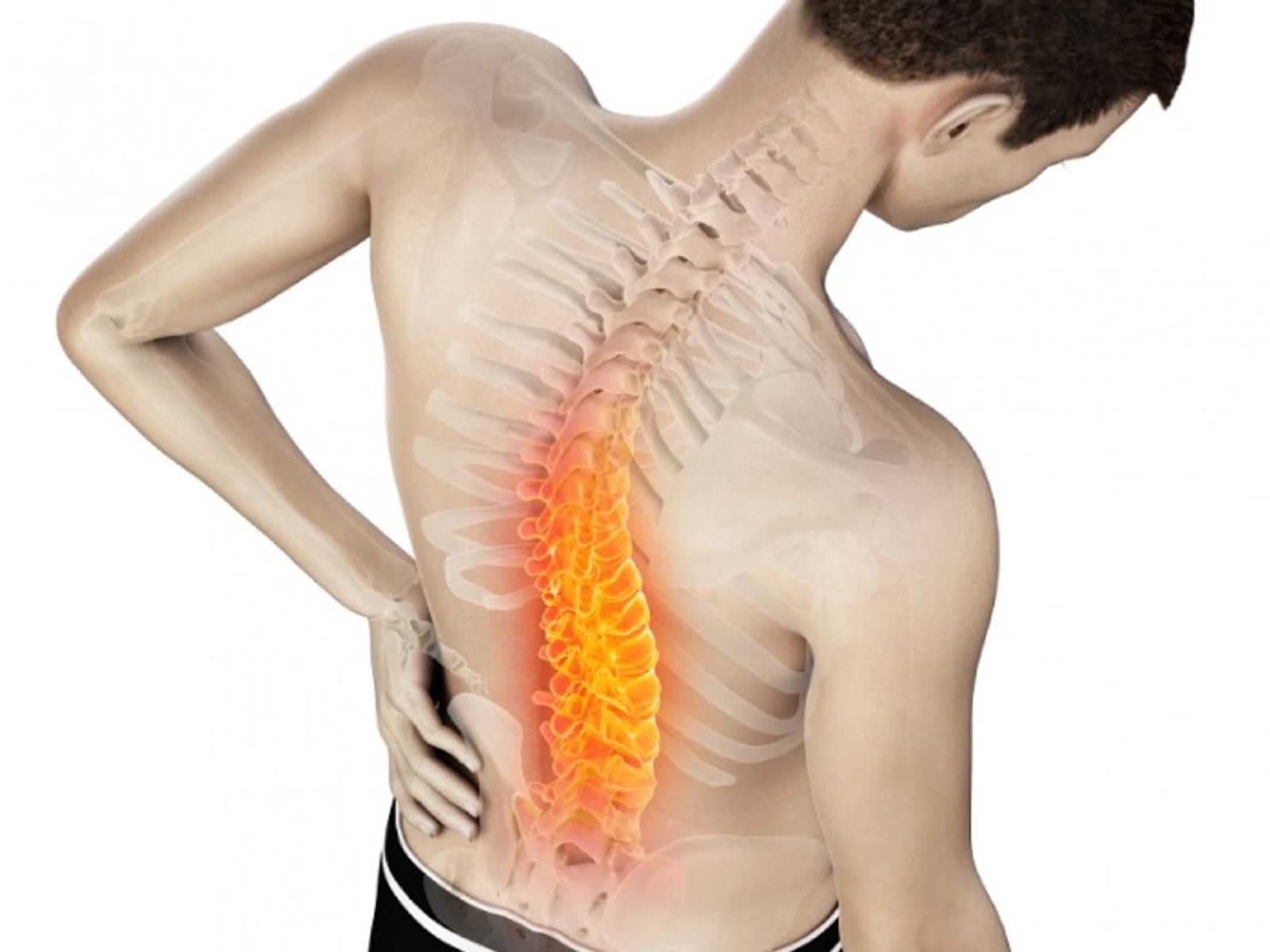
Among the most common causes are:
- Poor posture
- Muscular weaknesses and imbalances
- Repetitive movements and inappropriate gestures
- Sedentary lifestyle and lack of physical activity
- Degenerative conditions
- Trauma
This type of pain can become chronic and lead to significant functional limitations and a reduction in quality of life. In addition to the physical effects, chronic pain also causes changes in the central nervous system, altering pain perception and the body's response to stimuli, a process known as central sensitisation (Nijs et al., 2018).
Manual therapy and osteopathy to reduce pain and restore mobility
Manual therapy is a technique often used by osteopaths, chiropractors and physiotherapists to relieve pain and improve joint function. It aims to reduce muscular tension, stimulate circulation and restore mobility. Although manual therapy has shown positive results in pain relief, research suggests that the benefits are amplified and more long-lasting when combined with targeted physical exercise.
The benefits of physical exercise in the treatment of spinal pain
Exercise, in addition to strengthening and stabilising the spine, contributes to beneficial adaptations in the nervous system, directly influencing neuronal plasticity and pain modulation. Here is how exercise programmes improve outcomes for patients:
- Neuronal plasticity and adaptation of the central nervous system — Physical exercise, by stimulating the musculoskeletal system, promotes neuroplasticity — the brain's ability to reorganise itself and form new neuronal connections. This allows a better motor response and more accurate sensory perception, thereby contributing to a reduction in pain (Moseley et al., 2007). By integrating exercise with manual therapy, the hyperactivity of the nervous system linked to chronic pain can be reduced, thus attenuating central sensitisation phenomena.
- Pain modulation through neurochemical effects — Exercise releases endorphins and increases the production of serotonin, two neurotransmitters involved in pain modulation. Moreover, exercise influences the inhibitory pain pathways in the central nervous system, thus decreasing the perception of pain (Sluka et al., 2018). These effects complement the action of manual therapy, which itself promotes the reduction of pain and inflammation.
- Improvement of proprioception and motor function — Exercises focused on stability and coordination strengthen proprioceptive mechanisms. They allow the patient to better control their movements, thereby improving spinal stability and reducing the risk of repetitive injuries (Nordin et al., 2020).
Effectiveness of combining osteopathy and physical exercise
Several studies support the idea that an approach combining manual therapy and exercise yields better results. A meta-analysis by Coulter et al. (2018) showed that patients who benefited from both approaches presented a faster functional improvement and a more long-lasting reduction in pain. Exercises combined with spinal manipulation improve muscular strength and decrease the likelihood of recurrence of chronic low back pain, because of the impact of this combination on neuronal plasticity and pain modulation.
Conclusion
Research demonstrates that the integration of exercise programmes with manual therapy in the treatment of spinal pain offers substantial benefits, particularly in terms of neuronal plasticity and pain modulation. This approach improves not only mobility and physical function but also contributes to a long-lasting reduction in pain. It is therefore recommended that practitioners adopt this therapeutic combination to maximise the effectiveness of treatment for patients suffering from spinal pain.
References
- Coulter, I. D., Crawford, C., & Hurwitz, E. L. (2018). Manipulation and mobilization for treating chronic low back pain: a systematic review and meta-analysis. Spine journal, 18(5):866-879.
- Moseley, G. L., & Butler, D. S. (2007). Explain Pain. Noigroup Publications.
- Nijs, J., et al. (2021). Central sensitisation in chronic pain conditions: latest discoveries and their potential for precision medicine. The Lancet Rheumatology, 3(5), E383-E392.
- Nordin, M., & Frankel, V. H. (2020). Basic biomechanics of the musculoskeletal system. Lippincott Williams & Wilkins.
- Sluka, K. A., & Rasmussen, L. A. (2018). Exercise-induced pain and analgesia? Underlying mechanisms and clinical translation. Pain journal, 159(Suppl 1), S91-S97.
- Steele, J., Bruce-Low, S., & Smith, D. (2019). A review of the specificity of exercises designed for conditioning the lumbar extensors. Journal of Sport and Health Science, 8(1), 95-102.
Frequently asked questions (FAQ)
Are physical exercises and osteopathy complementary?
Yes, osteopathy and physical exercise form a powerful therapeutic alliance. Osteopathy releases the mechanical restrictions that limit movements, whilst exercises strengthen the structures and consolidate the results of treatment.
When should you exercise after an osteopathy session?
It is recommended to wait 24 to 48 hours after an osteopathy session before resuming intense exercise, to allow the body to integrate the tissue changes. Gentle exercises (walking, light stretches) can be resumed the following day.
Which exercises are recommended alongside osteopathy for back pain?
Deep core strengthening (transversus, multifidi), McKenzie exercises for the lumbar spine and stretches of the posterior chains are the most effective. Your osteopath can prescribe a personalised programme after your assessment.
Can osteopathy improve sporting performance?
Yes, by optimising joint mobility, muscular balance and neuromuscular coordination, osteopathy improves athletic performance and reduces the risk of injury. It is used by many professional athletes alongside their training.