Common neck pain: causes, risk factors and treatments

Mechanical neck pain — commonly referred to as non-specific neck pain — is one of the most frequent musculoskeletal complaints in adults. Although most often benign, it can become persistent and significantly impair quality of life. Understanding its origin, its frequency and the scientifically validated therapeutic strategies is essential to avoid chronification and to adopt an appropriate management approach.
What is mechanical neck pain?
Epidemiology: A frequent condition worldwide
The most reliable data come from the Global Burden of Disease 2019. In 2019: - 222.7 million people were living with neck pain worldwide. - The age-standardised prevalence was 2,696.5 per 100,000 inhabitants (approximately 2.7% of the world population). - Women are slightly more affected than men. Neck pain is one of the leading global causes of years lived with disability. In Europe, studies estimate that between 30 and 50% of adults report at least one episode of neck pain over a year. In France, the available data suggest a comparable prevalence.
Why does neck pain appear?
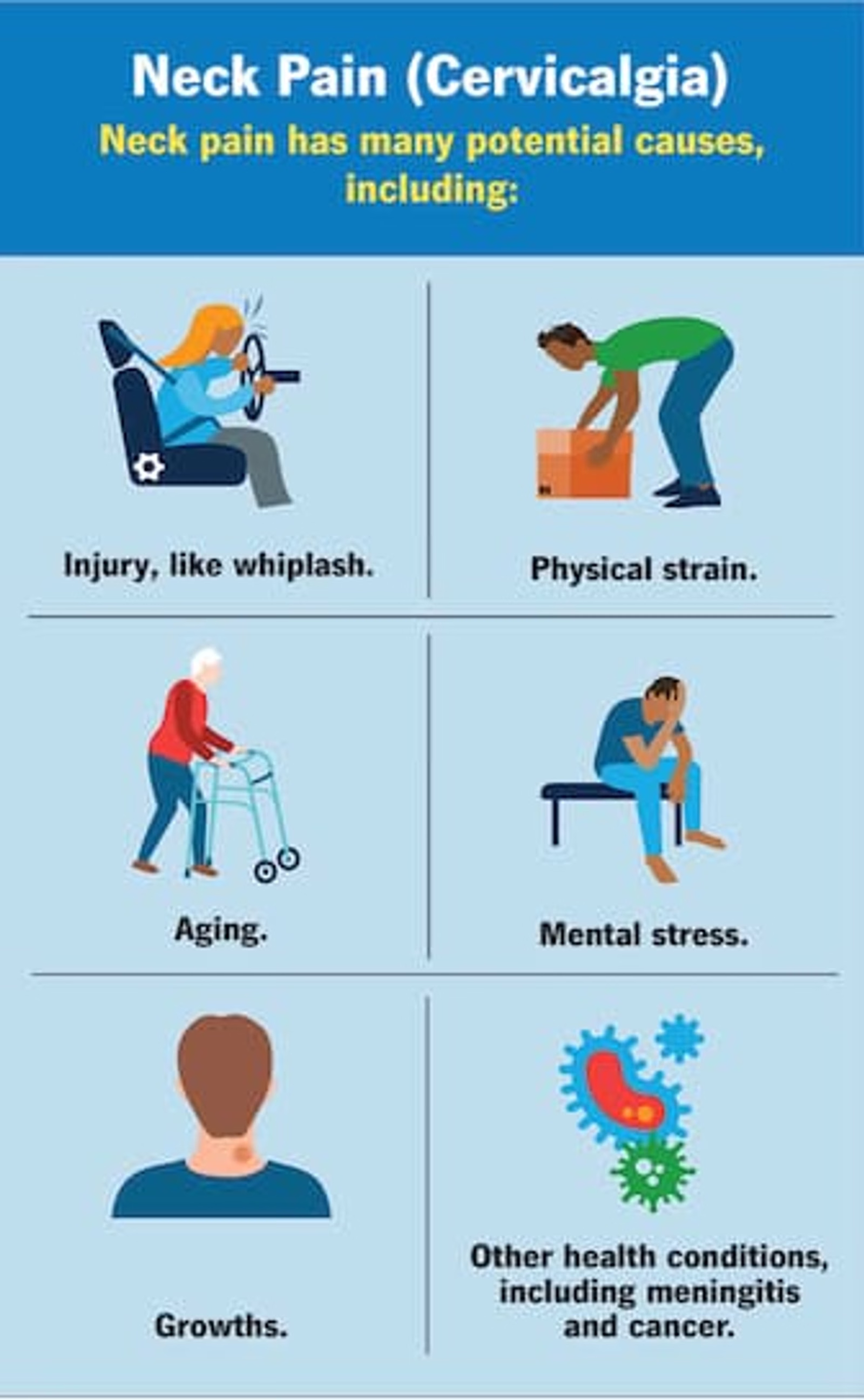
Mechanical neck pain results from a complex interaction between repeated biomechanical loads, sedentary lifestyle and prolonged static postures, stress and psychosocial factors, general physical condition and history of pain.
The cervical structures — muscles, facet joints, discs — may contribute to the pain, but no study allows a precise percentage to be attributed to each structure. In persistent forms, neurophysiological mechanisms take on an important role. Peripheral and sometimes central sensitisation explains why the pain can persist even in the absence of structural aggravation. This biopsychosocial model is today widely validated in clinical research.
Risk factors for common neck pain
- Female sex and age: several prospective reviews show that being female and older increases the likelihood of developing non-specific neck pain.
- History of musculoskeletal pain
- Psychosocial constraints at work (high occupational demands, low social/colleague support): consistently associated with the onset of neck pain in systematic reviews.
- Prolonged postures, sedentary behaviours and ergonomics at work (non-neutral head positions, prolonged screen work, seated posture): well described as risk factors for cervical muscular overload and pain linked to non-ergonomic posture.
- Lack of physical activity / reduced muscular condition: several meta-analyses find an association between low exercise and increased risk of neck pain.
- General psychological factors (stress, anxiety): strongly associated with neck pain episodes in reviews on the epidemiology of pain.
- Ergonomics and occupational environment (keyboard posture, task organisation): some reviews indicate that physical factors linked to the work environment can increase the risk of neck pain.
When should you be concerned?
Mechanical neck pain is rarely linked to serious pathology.
The prevalence of serious pathologies responsible for spinal pain in primary care is less than 1%.
Certain signs should nevertheless raise alarm: unexplained fever, involuntary weight loss, progressive neurological deficit, major trauma, history of cancer.
Treatment of mechanical neck pain
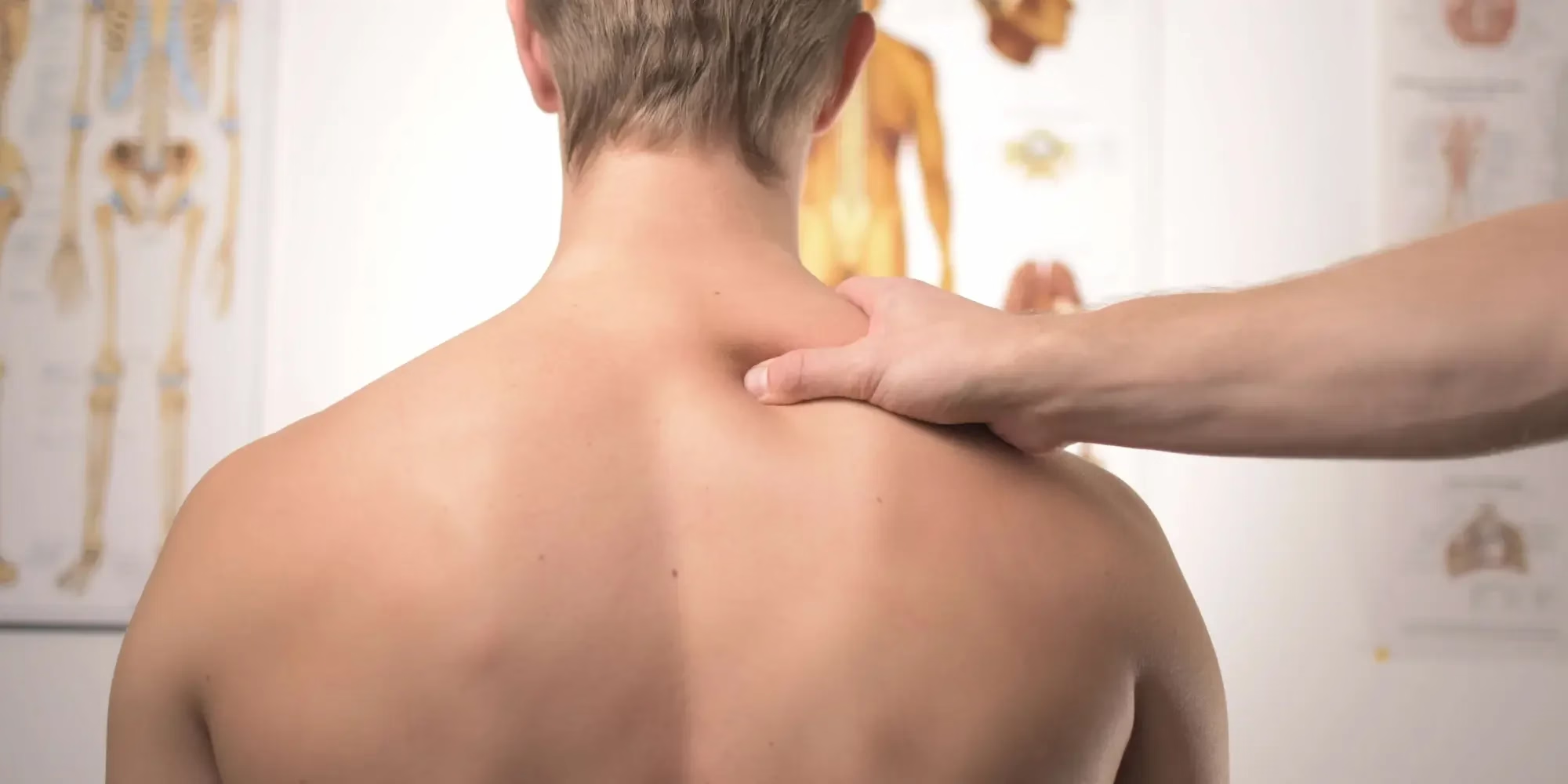
- In the short term (acute / painful phase) Manual therapies (osteopathy, mobilisations, manipulations, myofascial techniques): treatments of choice for rapid pain relief, improvement of mobility and reduction of tension.
- Non-steroidal anti-inflammatory drugs (NSAIDs): may be indicated for a short duration to reduce pain and inflammation, as a complement to active management.
- Education and reassurance: explaining that neck pain is frequent, most often benign and with a favourable course, in order to reduce fear of movement and promote recovery.
- Specific therapeutic exercise: the cornerstone of treatment. Strengthening of the deep and superficial cervical muscles
- Muscular endurance work
- Motor control and cervical stability
Objective: lasting improvement of function and reduction of the risk of recurrence.
In the long term / persistent forms
- Multimodal approach: Progressive physical activity
- Stress management
- Cognitive behavioural therapy if associated psychosocial factors
Aims to prevent chronification and improve quality of life.
Osteopath specialising in Sport and Chronic Pain Management in Paris 16
French Diploma of Osteopathy
MSc Neuroscience.
Post-graduate Diploma — chronic pain management.
Post-graduate Diploma — Pain and Human Motor Function.
Post-graduate Diploma — Clinical and Radiological Anatomy.
Frequently asked questions (FAQ)
How does osteopathy treat neck pain?
Osteopathy uses gentle manipulations, articular mobilisations and myofascial techniques to release cervical tensions, restore the mobility of the neck and reduce pain. The approach is personalised according to the cause and the chronicity.
Can neck pain cause headaches?
Yes, cervical tensions are one of the main causes of headaches. The nerves of the neck innervate part of the scalp, which explains the projection of pain towards the head (cervicogenic headaches).
What are the risk factors for chronic neck pain?
The main risk factors include: prolonged screen work, poor office posture, chronic stress, history of cervical trauma (whiplash), sleeping on a poor pillow and a sedentary lifestyle.
How many osteopathy sessions for neck pain?
Acute neck pain often responds in 2 to 3 sessions. Chronic pain generally requires 4 to 6 sessions, complemented by mobility exercises and workstation ergonomics.