Jaw pain: osteopathic treatment Paris 16
Temporomandibular pain-dysfunction syndrome.
Causes and symptoms.
What are jaw dysfunctions?
Temporomandibular joint (TMJ) disorders, also known as Temporomandibular Joint Disorders (TMD), encompass a set of conditions affecting the joint between the mandible and the temporal bone of the skull. This complex joint is involved in essential functions such as mastication, swallowing and speech. Dysfunctions of the TMJ can have significant repercussions on patients' quality of life, ranging from simple functional limitations to chronic pain.

Origins of TMJ dysfunctions
TMJ disorders are subdivided mainly into three categories, which may coexist in the same patient:
- Muscular mechanical origin
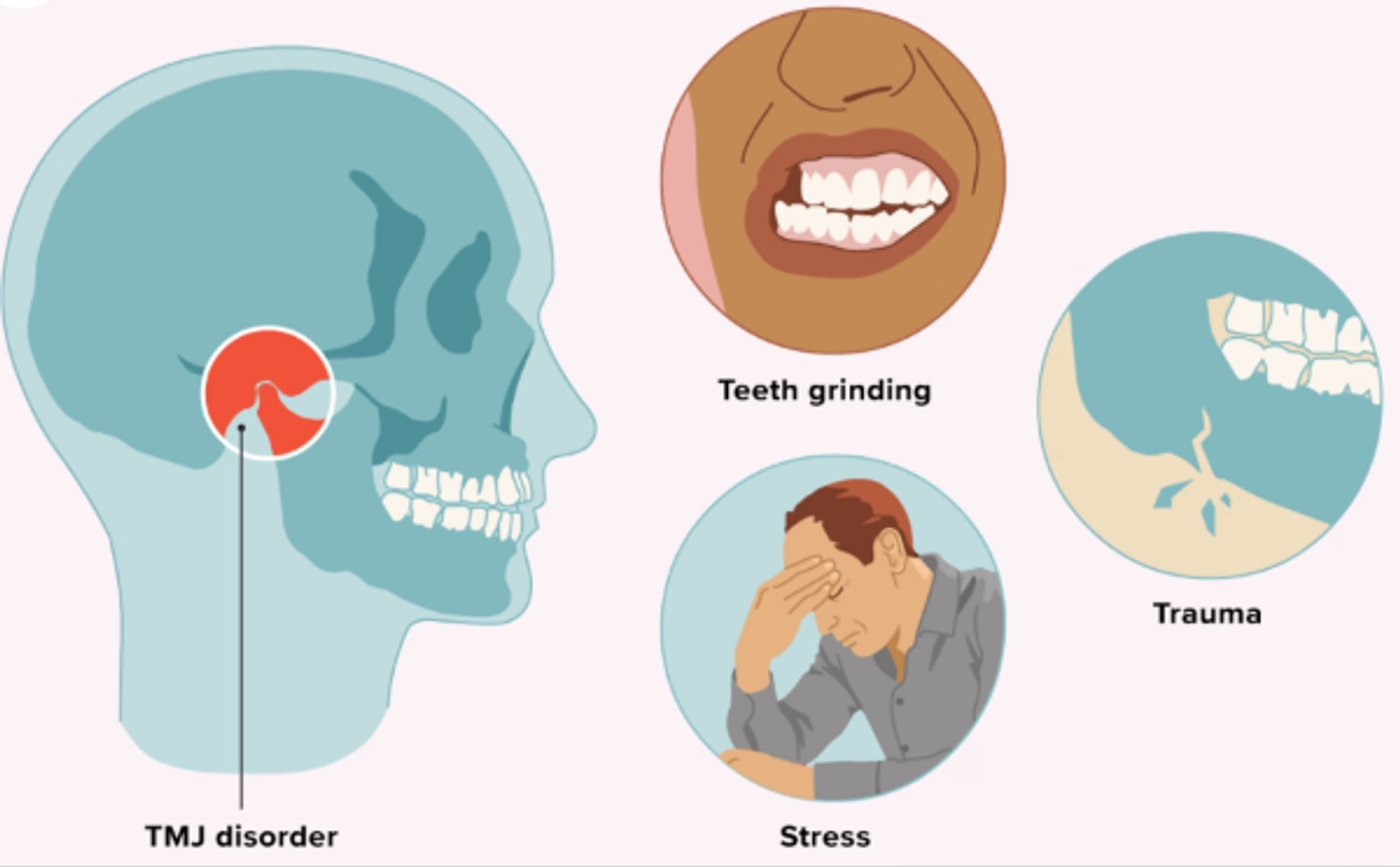
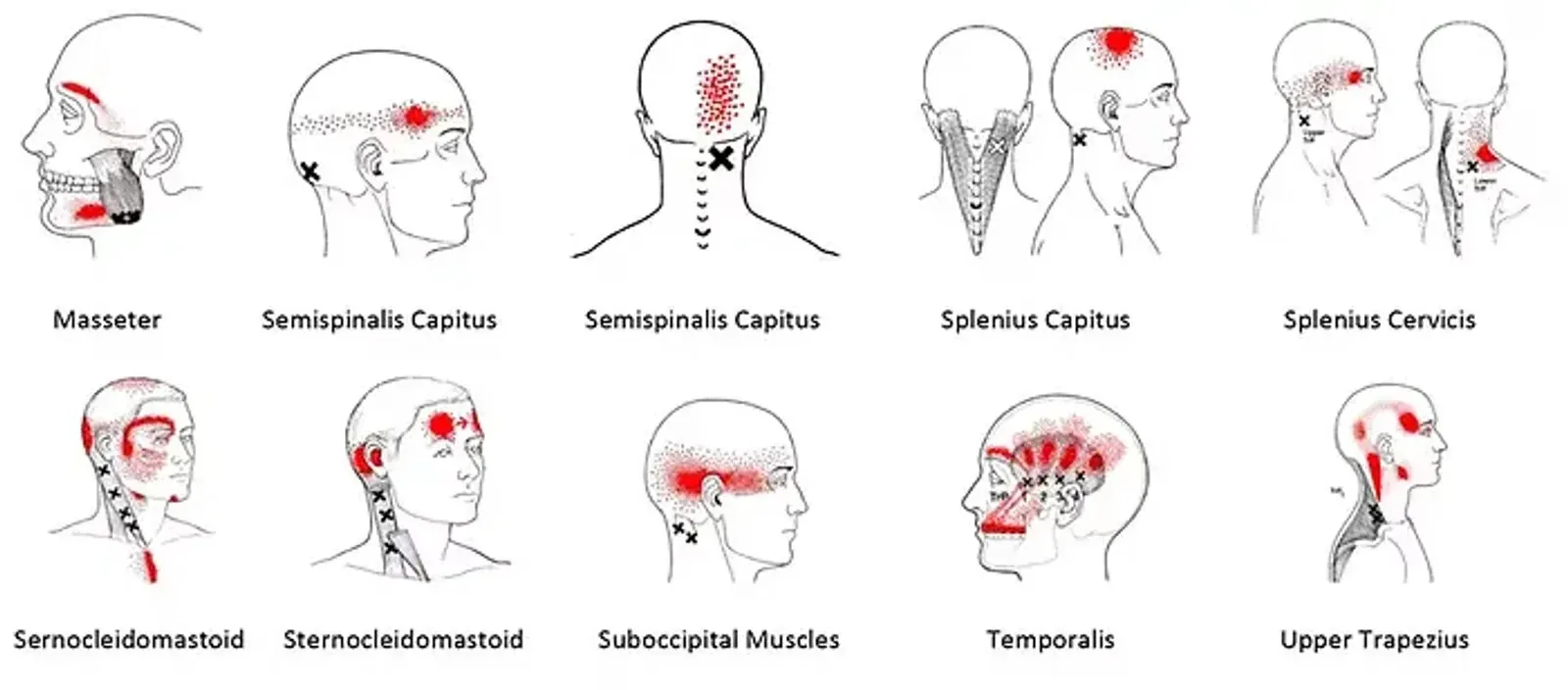
The most frequent cause of TMJ pain. It is due to dysfunction of the masticatory muscles, often associated with bruxism phenomena (teeth grinding) creating excessive tensions in the jaw muscles, thus forming a myofascial syndrome.
- Articular mechanical origin — Linked to a mechanical anomaly of the TMJ, such as dislocations of the articular disc, often due to malocclusion or trauma. Joint noises or blockages of the joint are frequently observed, associated or not with pain.
- Inflammatory origin — These disorders include various forms of inflammation or joint degeneration, such as inflammatory flares of osteoarthritis or rheumatoid arthritis. This type of disorder is characterised by progressive destruction of the joint cartilage and reduced mobility, accompanied by significant pain.
Symptoms of temporomandibular pain-dysfunction syndrome:
- Jaw pain with or without limitation of mouth opening.
- Joint noises, cracking, clicking, crepitations.
- Tinnitus, earache, sensation of blocked ear.
- Neck pain.
- Headaches with temporal and/or occipital predominance.
- In some chronic cases: anxiety, depression, associated fibromyalgia.
Treatment of TMD
Role of manual therapy and osteopathy
Treatments for dysfunctions of mechanical origin
Treatment of TMJ dysfunctions is often multimodal and adapted to the severity of symptoms as well as the nature of the dysfunction. Options include:
- Medications: Non-steroidal anti-inflammatory drugs (NSAIDs), muscle relaxants, and sometimes antidepressants for their analgesic effect in chronic cases.
- Occlusal splints: Used to reduce muscular tension, they stabilise the jaw and prevent further damage due to bruxism.
- Manual therapy and exercises: Specific exercises may be prescribed to strengthen the muscles and improve joint mobility.
- Surgery: As a last resort, in the most severe cases, surgical intervention may be considered.
The contribution of manual therapy and osteopathy in the treatment of TMJ pain of mechanical origin
The different forms of manual therapies provide significant support in the management of TMJ disorders. Various scientific studies (Gonzalez-Sanchez, et al., 2023; La Touche, et al., 2020; Busse, et al., 2023) have shown the effectiveness of manual therapy as an essential management of the pain of TMJ dysfunctions. These non-invasive approaches aim to restore the functional balance of the joint and surrounding structures, integrating a global vision of the human body.
- Myofascial techniques
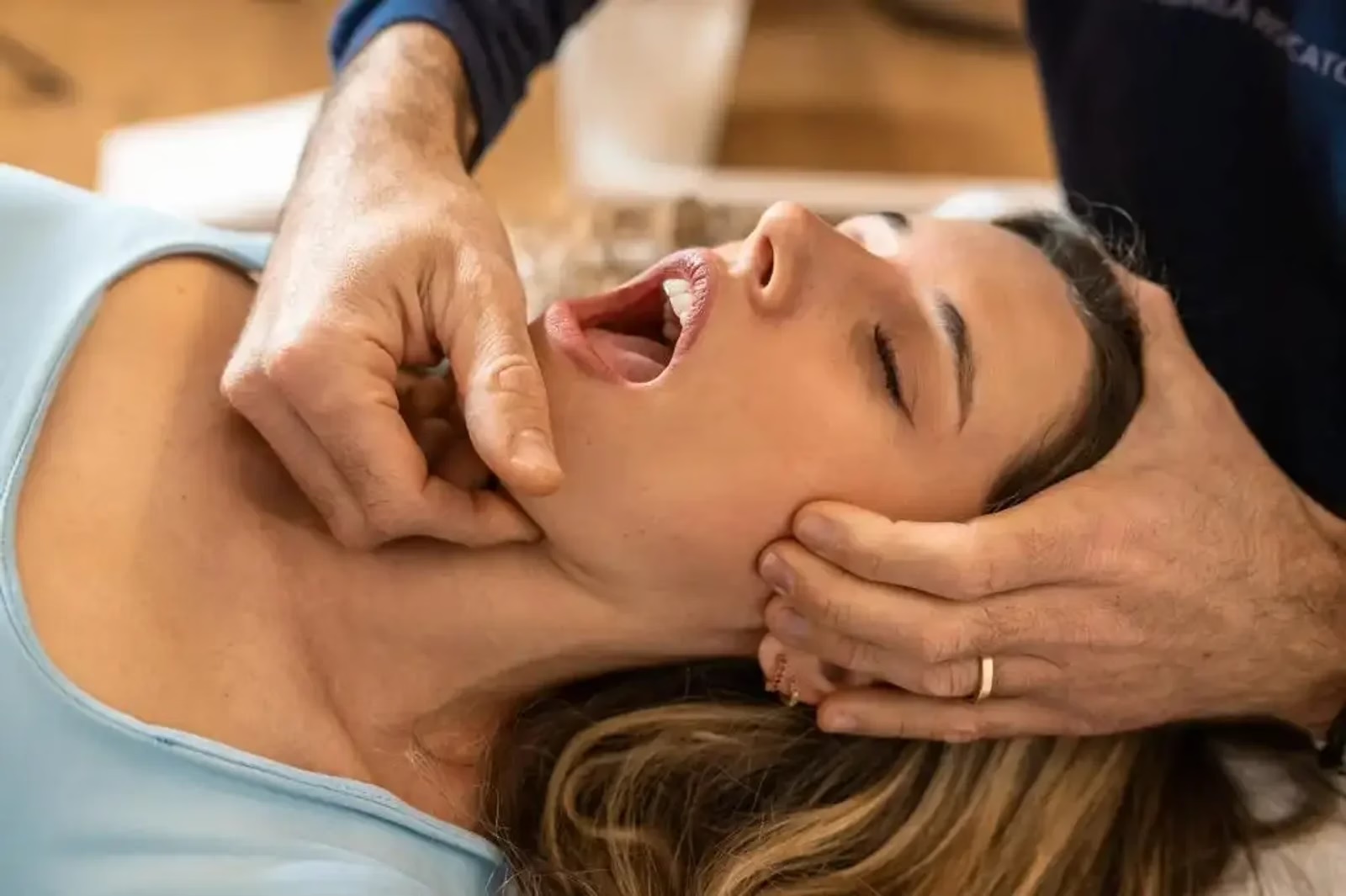
Myofascial release techniques are particularly effective in reducing tension in the masticatory and cervical muscles. They significantly reduce pain and improve jaw mobility in patients with myofascial disorders.
- Joint mobilisations
- Postural rehabilitation
A postural imbalance can exacerbate TMJ symptoms, particularly in cases of cervical and scapular tensions. Osteopathy takes into account the relationship between the TMJ and the patient's overall posture, promoting an improvement in body alignment, which can indirectly reduce symptoms.
- Rehabilitation exercises
Conclusion
TMJ disorders are a frequent, complex and multifactorial condition. The therapeutic approach must be multidisciplinary. Manual therapy and osteopathy, through its manipulation techniques and comprehensive approach, offers effective management to relieve pain, improve joint mobility and prevent recurrence.
- Gonzalez — Sanchez, B., et al. Temporomandibular Joint Dysfunctions: A Systematic Review of Treatment Approaches. Journal of Clinical Medicine, 2023.
- La Touche, R., et al. Effect of Manual Therapy and Therapeutic Exercise Applied to the Cervical Region on Pain and Pressure Pain Sensitivity in Patients with Temporomandibular Disorders: A Systematic Review and Meta-analysis. Pain medicine, 2020.
- Busse, J., et al. Management of chronic pain associated with temporomandibular disorders: a clinical practice guideline. BMJ, 2023.
Frequently asked questions (FAQ)
What is temporomandibular pain-dysfunction syndrome?
Temporomandibular pain-dysfunction syndrome (TMD) brings together the pains and dysfunctions of the temporomandibular joint (TMJ), masticatory muscles and surrounding structures. It affects 6 to 9% of adults and manifests as jaw pain, clicking and limitation of mouth opening.
Is osteopathy effective for jaw pain?
Yes, osteopathy is a recognised first-line treatment for TMJ disorders. It acts on the muscular tensions of the masseter, temporalis and pterygoid muscles, as well as on the joint mobility of the jaw.
Should I consult a dentist or an osteopath for jaw issues?
The two approaches are complementary. The dentist treats the occlusal component (splint, dental adjustment). The osteopath works on the musculoskeletal components. Coordinated management is recommended.
How many sessions to treat jaw pain?
4 to 6 sessions are generally necessary. Results are optimised through collaboration between the osteopath and the dentist, notably for the prescription of an occlusal splint.