Sports
Sports Osteopath in Paris 16
Prevention, Injuries and Recovery
Sports osteopathy focuses on the musculoskeletal disorders associated with physical activity. Repeated mechanical stress, muscle imbalances or an unsuitable training load can favour the onset of pain or injuries. Charbel Kortbawi, osteopath in Paris 16, supports amateur and competitive athletes at the Victor Hugo practice in their prevention and recovery.
The consultation is generally based on:
- An analysis of sporting and medical history
- A postural and biomechanical assessment
- A functional movement examination
- A manual treatment tailored to the sport practised
- Personalised advice on training, recovery and injury prevention
This approach aims to improve joint mobility, reduce certain muscle tensions and promote optimal body adaptation to the demands of exercise.
Sports osteopathy: what role for athletes?
Sporting activity places significant biomechanical stress on the body that can lead to musculoskeletal pain, functional limitations or injuries.
Charbel J. Kortbawi, sports osteopath in Paris 16 – Victor Hugo, supports amateur and professional athletes in the management of injuries and pain related to sports. A qualified osteopath holding a Master 2 in Neurosciences of Movement, he offers an approach based on biomechanical analysis, current scientific evidence and clinical recommendations.
The goal of care is to reduce pain, restore mobility and encourage a gradual return to physical activity under the best possible conditions, alongside other treatments in place.
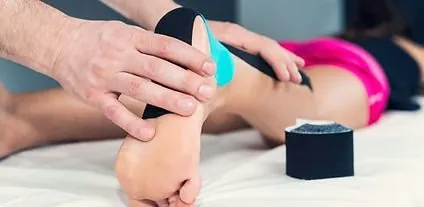
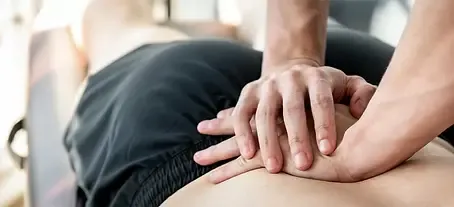
Reasons to consult a sports osteopath in Paris 16
Athletes frequently consult a sports osteopath for musculoskeletal pain or disorders related to their sporting practice. Repeated mechanical stress, an unsuitable training load, certain mobility limitations or biomechanical imbalances can favour the onset of pain or injuries.
At the Victor Hugo osteopathy practice in Paris 16, consultations typically address:
- Tendinopathies (Achilles tendon, knee, shoulder, elbow)
- Sprains, particularly of the ankle or knee
- Iliotibial band syndrome (runner's knee) in runners
- Athletic pubalgia
- Shin splints (tibial periostitis)
- Plantar fasciitis
- Low back pain related to sports
- Neck pain associated with certain sporting disciplines
- Postural imbalances
These disorders are often multifactorial and can be linked to training load, sporting technique, recovery or certain biomechanical imbalances.
How to prevent injuries and recover after exercise?
In athletes, osteopathy can also form part of a preventive approach. The goal is to identify certain mobility restrictions or biomechanical adaptations that may increase the risk of injury.
Optimal joint mobility and good movement control contribute to more effective sports practice and better tolerance of training demands.
After intense effort or competition, osteopathic care can also help improve functional recovery and reduce certain muscle tensions.
An approach grounded in biomechanics and neuroscience
Charbel J. Kortbawi has been an osteopath D.O. since 2008 and holds a Master 2 in Neurosciences of Movement, along with several university diplomas in the field of pain and clinical anatomy.
His approach is based on the analysis of interactions between:
- The musculoskeletal system
- Neuromuscular control of movement
- Biomechanical stresses related to sports practice
Each consultation includes an individualised clinical assessment in order to adapt care to the specific needs of the athlete and the demands of their discipline.
The osteopathy practice is located in Paris 16, near Victor Hugo, and welcomes athletes from Passy, Auteuil, Trocadéro and the Bois de Boulogne.
Athletes also travel in from well beyond the 16th arrondissement: one stop from Charles de Gaulle-Étoile on metro line 2, the practice sits minutes from western Paris and the main interchanges (line 1, line 6, RER A). In the weeks leading up to the Paris Marathon and the Paris Half-Marathon, consulting a sports osteopath in Paris helps runners from all over the city plan their build-up, correct the imbalances revealed by higher mileage and reach the start line injury-free.
Frequently Asked Questions (FAQ)
When should I consult a sports osteopath?
You can consult in case of pain related to physical activity, after an injury, or as part of a prevention approach to assess mobility limitations that may favour the onset of musculoskeletal disorders.
How long does a consultation last?
A consultation generally lasts 40 to 45 minutes and includes a clinical interview, a movement assessment and an appropriate treatment.
Sports osteopath or physiotherapist?
The two approaches are complementary. Osteopathy mainly acts on mobility and biomechanical dysfunctions, while physiotherapy is often involved in rehabilitation and muscle strengthening.
Are consultations suitable for amateur athletes?
Yes. Sports osteopathy is suitable for amateur athletes as well as regular or competitive athletes.
Related articles