Neuromodulation by electrical stimulation and chronic pain
Transcutaneous electrical neuromodulation in chronic pain
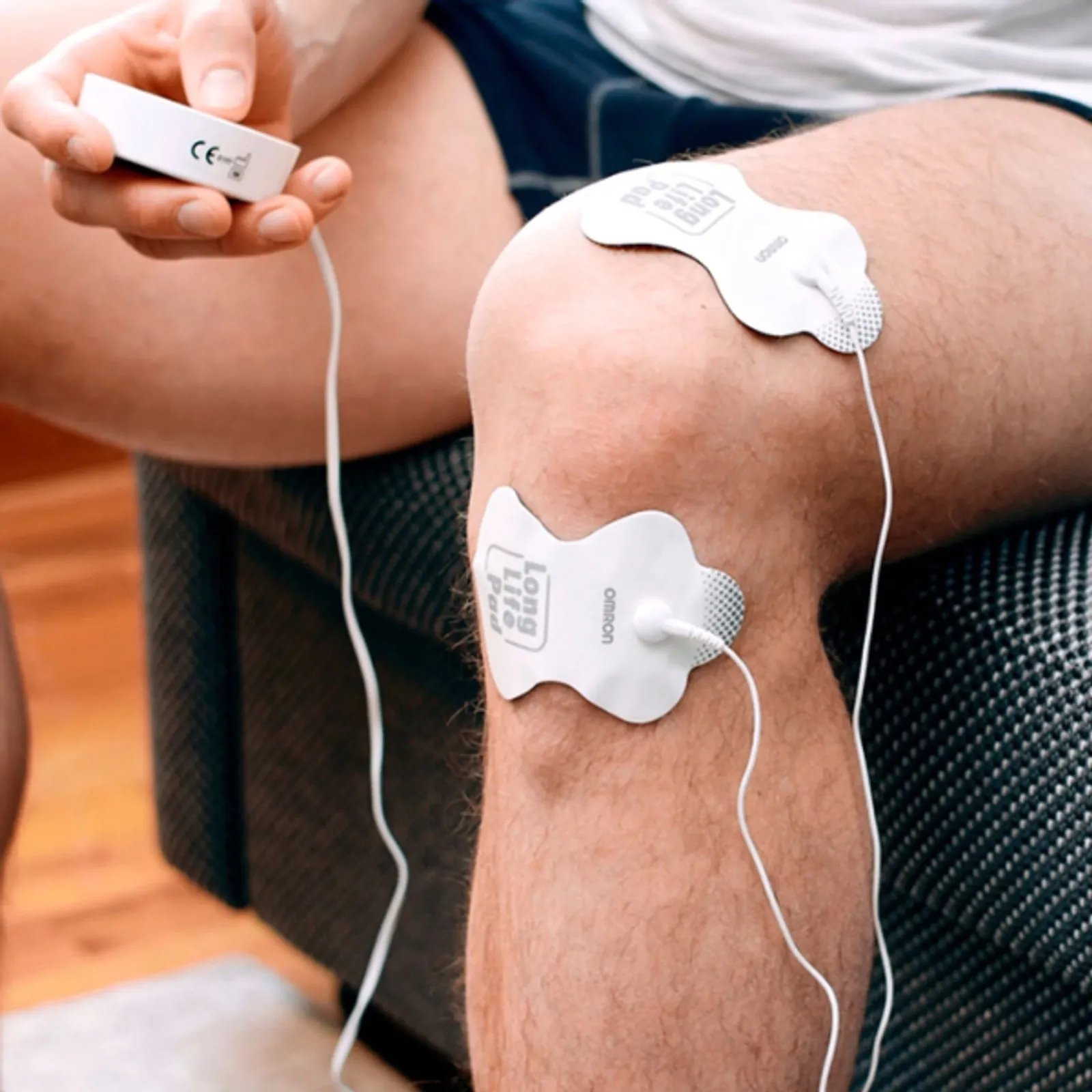
Transcutaneous electrical stimulation, or TENS (Transcutaneous Electrical Nerve Stimulation), is a non-invasive method of neuromodulation used to relieve chronic pain. This device delivers low-intensity electrical impulses through the skin, targeting nerves to modulate the perception of pain. Increasingly popular, TENS offers an alternative to traditional treatments such as medication, with limited side effects. Here is an overview of its mechanisms, indications, advantages, drawbacks and scientifically proven benefits.
Mechanism of action of TENS
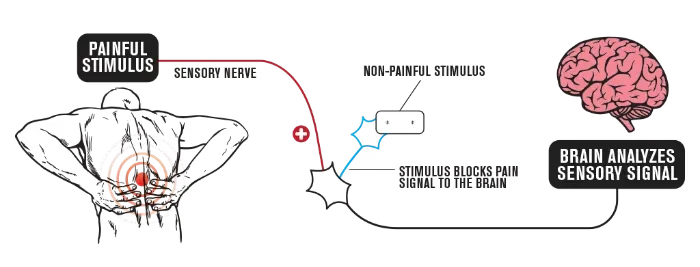
TENS is based primarily on two mechanisms of action:
- Gate Control Theory — TENS inhibits the transmission of pain signals at the level of the spinal cord by stimulating large-diameter sensory nerve fibres, thereby preventing these signals from reaching the brain.
- Release of endorphins — The electrical impulses also stimulate the production of endorphins, which raise the pain tolerance threshold and act as natural analgesics.
Indications for transcutaneous electrical stimulation
TENS is used to treat a variety of chronic pains, including:
- Musculoskeletal pain: low back pain, neck pain, knee osteoarthritis.
- Neuropathic pain: sciatica, peripheral neuropathies, post-herpetic pain.
- Fibromyalgia: TENS can help relieve the diffuse pain associated with this condition.
- Post-operative pain: used to reduce pain after certain surgical procedures.
Advantages of TENS neuromodulation
- Non-invasive method — The electrodes are simply applied to the skin, making this method practical and accessible.
- Minimal side effects — Compared with medications, which can cause adverse effects such as drowsiness or dependence, TENS is well tolerated and has very few side effects.
- Patient autonomy — TENS allows patients to manage their pain at home, offering more freedom and control over their treatment.
- Versatility — It can be used to treat a wide range of chronic pains, and the parameters can be adjusted according to the specific needs of each patient.
Drawbacks of TENS
- Variable effectiveness — TENS results differ from one patient to another. Some experience rapid relief, whereas others note only minimal improvement, or none at all.
- Long-term tolerance — Some patients may develop a tolerance to electrical stimulation over time, requiring adjustments to maintain effectiveness.
- Contraindications — TENS is not recommended for patients with pacemakers, people suffering from epilepsy and pregnant women.
- Minor side effects — Although rare, skin irritations can occur at the electrode contact points.
Conclusion
Transcutaneous electrical neuromodulation (TENS) represents a non-invasive and well-tolerated option for the management of chronic pain. Although its effectiveness may vary, it is supported by scientific evidence for many painful conditions, particularly musculoskeletal and neuropathic. As an alternative or complement to drug treatments, TENS offers patients a safe way to relieve their pain and improve their quality of life, while reducing the risks of side effects. Supervision by a healthcare professional nevertheless remains essential to guarantee appropriate and effective use.
Frequently asked questions (FAQ)
What is transcutaneous electrical nerve stimulation (TENS)?
TENS (Transcutaneous Electrical Nerve Stimulation) is a technique that uses low-intensity electrical currents applied to the skin to modulate the transmission of pain signals in the nervous system. It is used in addition to other treatments for chronic pain.
Is neuromodulation compatible with osteopathy?
Yes, neuromodulation and osteopathy are complementary. Osteopathy addresses the mechanical causes of pain, while neuromodulation acts on nerve transmission. Their combination improves outcomes in complex chronic pain.
For which conditions is neuromodulation recommended?
Neuromodulation is particularly indicated for neuropathic pain (neuralgia, post-surgical pain), refractory chronic low back pain, fibromyalgia and post-amputation pain. It is used when conventional treatments are insufficient.
Does transcutaneous neuromodulation have side effects?
TENS is generally well tolerated. Adverse effects are rare and include local skin irritation. It is contraindicated in patients with pacemakers, in pregnant women and in cases of uncontrolled epilepsy.