Therapeutic education in chronic pain
How does patient education contribute to pain management?
Chronic pain is a persistent condition affecting millions of people worldwide, with a significant impact on quality of life and overall well-being of patients. It is often defined as pain lasting more than three months and may result from various pathologies, such as low back pain, fibromyalgia, endometriosis or neuropathic pain. The management of this complex condition does not rest solely on pharmacological treatments. Indeed, patient education plays a crucial role in the effective management of chronic pain, enabling patients to better understand their condition, to improve their quality of life, and to become autonomous actors in their own care pathway.
1. Understanding chronic pain: an essential step
According to the World Health Organization (WHO), therapeutic patient education aims to help patients to acquire or maintain the skills they need to best manage their life with a chronic disease. It forms an integral and permanent part of patient care. One of the first benefits of educating patients is to allow them to understand the nature of chronic pain. Pain is not always an indicator of ongoing tissue damage, as is the case in acute pain. Chronic pain often involves complex neurobiological mechanisms, notably central sensitisation, which can persist even in the absence of any apparent lesion. Without an adequate understanding of these mechanisms, patients can develop increased anxiety and fear-avoidance behaviours, thereby worsening their condition (Linton and Shaw, 2011). Studies show that better knowledge of these pathophysiological aspects of pain can help to reduce erroneous beliefs, often associated with worsening pain and increased emotional distress (Moseley, 2003).
2. Autonomy and active management: the patient as a key actor
Therapeutic education is not limited to informing; it aims to make the patient autonomous in the management of their pain. By training patients in pain-management techniques, such as relaxation exercises, cognitive-behavioural therapies (CBT) or adapted physical exercise, caregivers enable patients to reduce their dependence on drug treatments (Turk et al., 2008). For example, CBT helps patients to modify their negative thought patterns and to adopt more adaptive behaviours in the face of pain, contributing to an improvement in pain tolerance and to better management of the associated emotions (Hoffman et al., 2007).
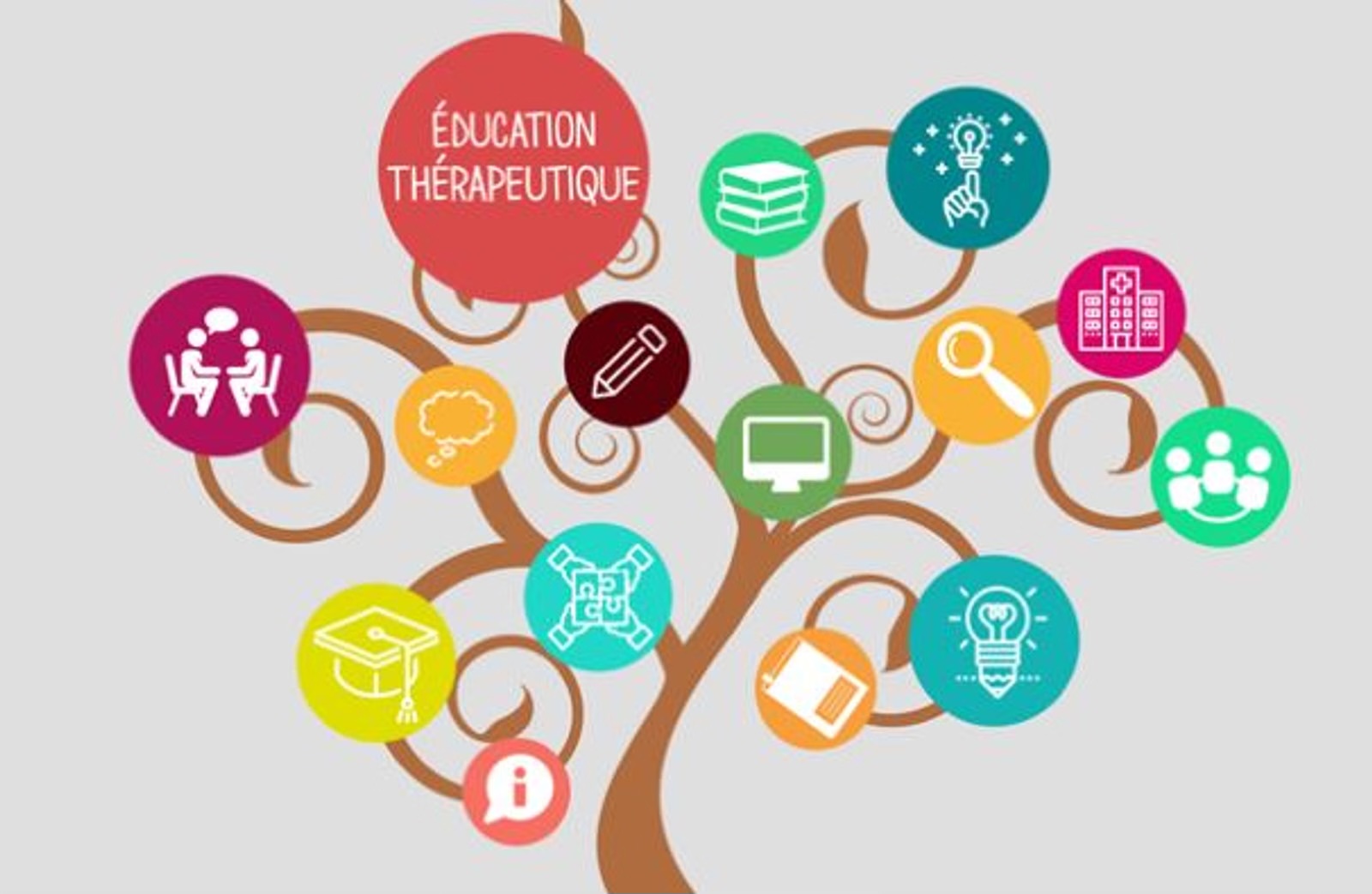
Structured educational programmes have shown positive effects on pain levels and quality of life of patients. A study conducted by Lorig and Holman in 2003 showed that patients participating in self-management programmes for chronic pain presented a significant reduction in pain, depression and use of health services, which reflects the importance of patient empowerment in their care.
3. Reduction of dependence on pharmacological treatments
Patient education also plays a role in reducing dependence on analgesics, which are often prescribed for chronic pain management but carry a high risk of dependence and serious side effects. Active and well-informed pain management can reduce the recourse to these medications. Non-pharmacological strategies such as exercise therapy and mindfulness meditation are often promoted in educational programmes and have been shown to be effective in reducing the perception of pain (Woby et al., 2007).
Moreover, adequate education allows patients to better understand the limits and risks of medications, thereby improving adherence to multimodal treatment plans that integrate both pharmacological and non-pharmacological solutions (Eccleston et al., 2009).
4. Psychosocial impact and improvement in quality of life
Chronic pain has major psychosocial repercussions, including depression, anxiety, social isolation and loss of employment. Education plays an essential role in helping patients to understand the importance of stress management, the balance between rest and activity, and the gradual resumption of daily activities. Moreover, by allowing patients to reconnect with their social networks and their professional activities, therapeutic education contributes to better social inclusion, a key factor of well-being in people suffering from chronic pain.
Conclusion
Patient education in the management of chronic pain is a fundamental component of multidisciplinary care. By better understanding the nature of their pain, by learning to use non-pharmacological tools and by becoming active participants in their own health, patients can not only improve their quality of life but also reduce the negative psychological and social consequences of chronic pain.
Mr Charbel J. Kortbawi, osteopath in Paris, specialises in chronic pain management. His approach, combined with osteopathic care, includes therapeutic patient education and the adaptation of a physical exercise programme tailored to the patient.
Osteopath in Paris 16
MSc Neuroscience.
Post-graduate Diploma in Chronic Pain Management
Post-graduate Diploma in Pain and Human Motor Function
Post-graduate Diploma in Clinical Anatomy and Imaging
Frequently asked questions (FAQ)
What is therapeutic education for chronic pain?
Therapeutic patient education (TPE) is a structured process that helps chronic-pain patients to understand their pain, manage their symptoms and regain control of their life. It reduces kinesiophobia (fear of movement) and improves coping strategies.
How does education in the neurophysiology of pain help patients?
Understanding the mechanisms of chronic pain (central sensitisation, neuronal plasticity) modifies patients' beliefs about their pain and reduces associated anxiety. Several randomised trials show a significant reduction in pain after this type of education.
Does osteopathy integrate therapeutic education?
Yes, at our clinic in Paris 16, osteopathy is coupled with a therapeutic-education approach. Charbel Kortbawi, holder of a post-graduate diploma in chronic pain management, explains the mechanisms of their pain to each patient to optimise treatment outcomes.
What are the benefits of therapeutic education for chronic pain?
TPE reduces dependence on analgesics, improves quality of life, decreases emergency consultations and increases participation in physical activities. It is an essential component of any multimodal management of chronic pain.