Which mattress for back pain
Choosing a mattress and its impact on back pain
Criteria for choosing a suitable mattress
Back pain, and low back pain in particular, affects a large part of the global population and can have a significant impact on quality of life. Among the many factors that can aggravate or relieve this pain is sleep quality. An unsuitable mattress can accentuate pain, but also disturb sleep, which has a negative effect on quality of life.
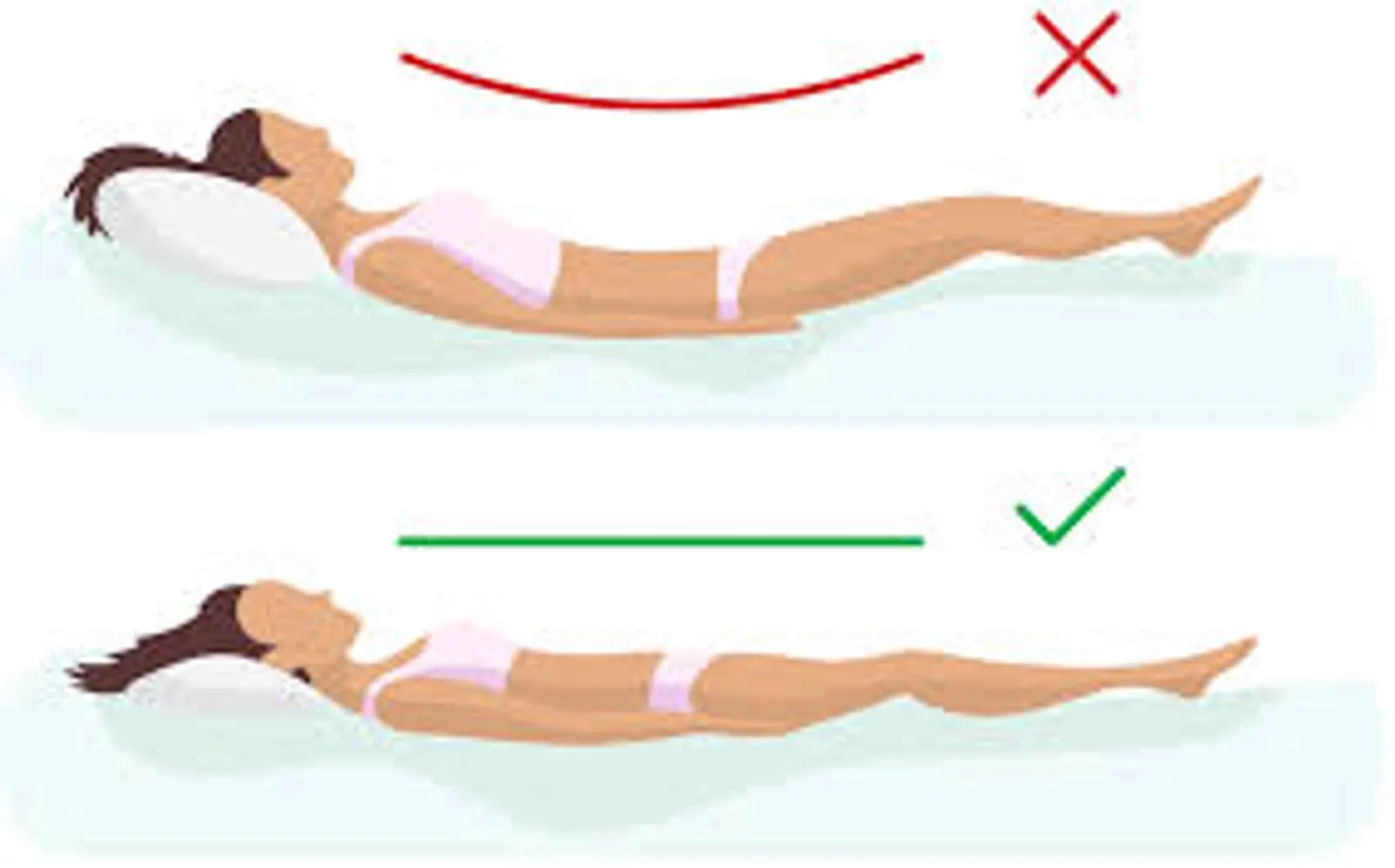
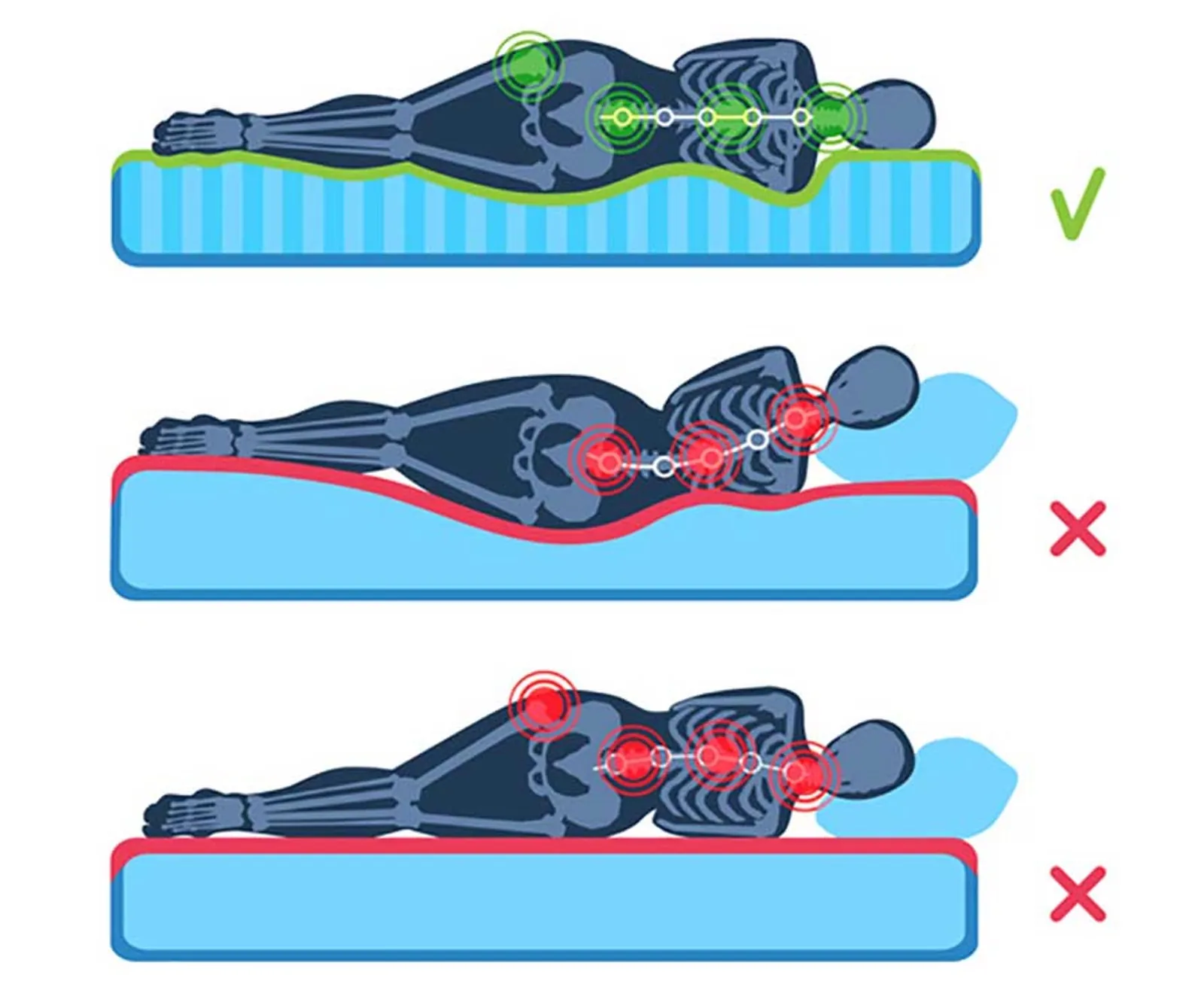
Quality sleep depends in part on the mattress's ability to correctly support the spine. A mattress that is too hard or too soft can lead to poor distribution of pressure points, causing or aggravating back pain. A literature review conducted by Caggiari et al., and published in the Journal of Orthopaedics and Traumatology in 2021, revealed that people sleeping on medium-firm mattresses had a significant reduction in their chronic low back pain compared to those sleeping on firmer mattresses. This is explained by the fact that a medium-firm mattress allows better alignment of the spine, thus avoiding muscular tensions.
- Memory foam mattresses are widely favoured for relieving joint pain. These mattresses adapt to the body's curves, thus reducing pressure points on sensitive areas such as the hips and shoulders. Memory foam mattresses offer better distribution of body weight, notably in side sleepers who need padding for their hips and shoulders. However, it should be noted that these mattresses may be perceived as too warm by some people, as they tend to retain heat.
- Latex mattresses offer a good alternative to memory foam mattresses. Naturally more elastic, they provide firm support while allowing good ventilation, which helps regulate body temperature during sleep. Latex mattresses help maintain a better sleeping position, which reduces tensions on the spine and helps prevent back pain. These mattresses are preferred for back sleepers.
Choosing a mattress according to your needs
There is no one-size-fits-all solution when it comes to choosing a mattress for back pain. Individual preferences, body type and sleeping position must be taken into account. Firmness and thermal regulation of the mattress can also influence sleep quality. Mattresses with cooling technologies, such as latex mattresses or those incorporating breathable foam layers, can promote more comfortable sleep, particularly for those who tend to feel hot at night. Finally, it is imperative to change your mattress every 5 to 7 years, especially for those suffering from back pain.
Key points
Current research indicates that medium-firm mattresses generally offer the best support for relieving back pain. However, the type of material, sleeping position and personal preferences also play a key role in choosing the most suitable mattress. It is important to try several mattresses to determine which one best suits your body and sleeping style. By choosing a suitable mattress, you can not only improve your sleep quality, but also effectively reduce your back pain.
Frequently asked questions (FAQ)
Which type of mattress is recommended for back pain?
A medium-firm to firm mattress is generally recommended for low back pain. The ideal mattress keeps the spine in a neutral position without creating pressure points. Memory foam or natural latex mattresses are often well tolerated.
Can a mattress cause back pain?
Yes, a mattress that is too soft (which sags) or too firm (which does not adapt to the body's curves) can aggravate back pain. If your pain is worst on waking and improves during the day, your mattress is probably to blame.
Can osteopathy help if my mattress is causing pain?
Yes, osteopathy treats the joint and muscular tensions caused or aggravated by a poor mattress. It can also advise you on the optimal sleeping position for your morphology and condition.
What is the recommended lifespan of a mattress?
A mattress generally lasts 8 to 10 years. Beyond that, it loses its support properties, which can worsen back pain and disturb sleep quality.