Postural analysis : correct imbalances
Postural analysis to relieve pain
The benefits of manual therapy and osteopathy
Posture: definition
Human posture results from a complex balance between the musculoskeletal, nervous and sensory systems. It is influenced by internal factors, such as joint and muscular proprioception, and external factors, such as the exteroceptors (inner ear, eyes, and feet) in response to environmental stimuli. Poor posture can be a contributing factor to chronic musculoskeletal pain that may disturb quality of life. In this context, posture analysis, postural assessment and postural rehabilitation take on their full meaning.
Objectives of postural analysis
Postural analysis is a systematic examination that assesses the body's alignments and imbalances in different positions: static and dynamic (walking, movement). It identifies asymmetries and compensations that can affect load distribution and generate pain or restrictions of movement.
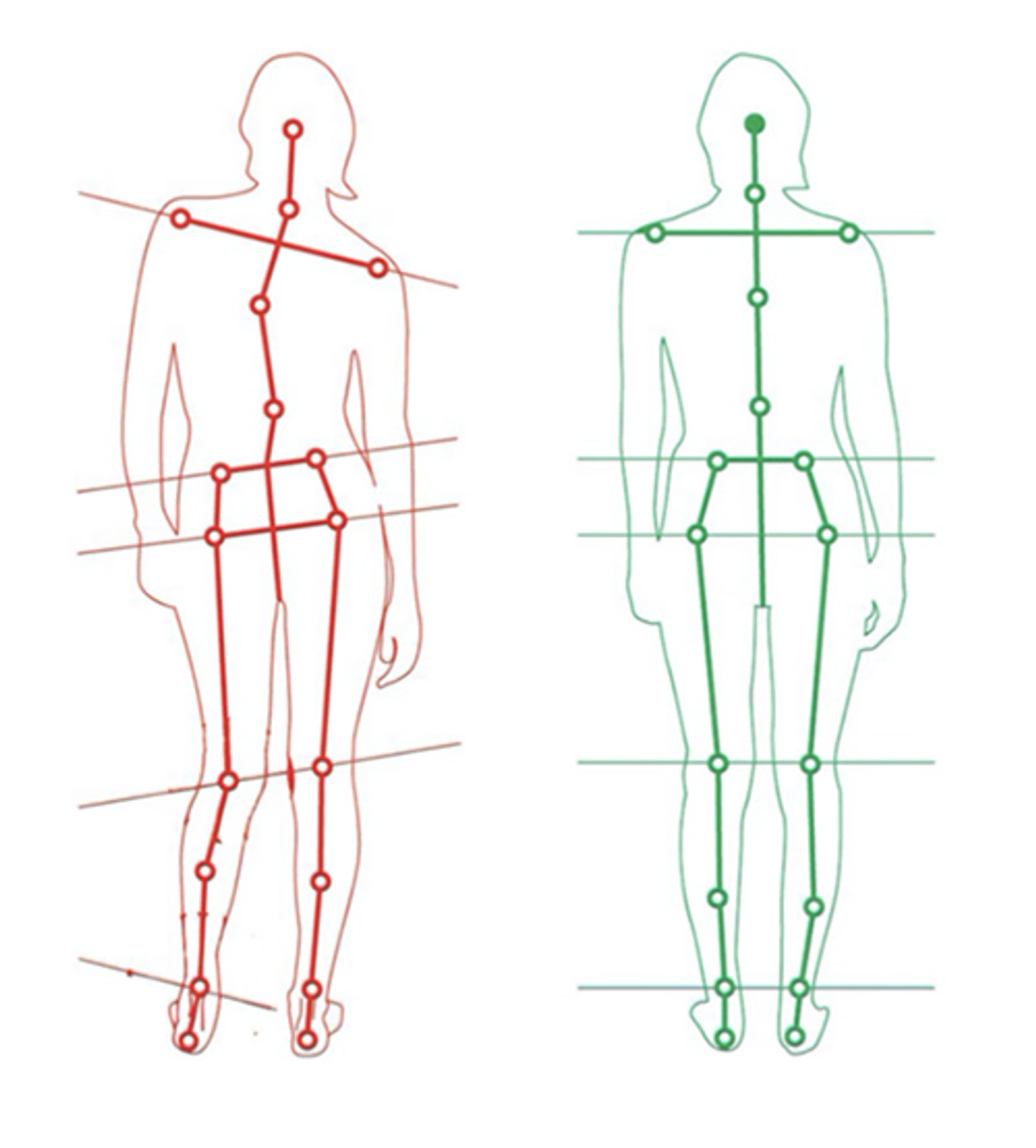
- Assessment of asymmetries and imbalances: identifying areas of muscular tension, imbalances between muscular chains and joint dysfunctions.
- Prevention of musculoskeletal pain: understanding how postural adaptations can contribute to the development of musculoskeletal pathologies, in particular low back pain, neck pain, or tendinopathies.
- Performance improvement: for athletes, optimal posture can reduce the risk of injury and improve performance.
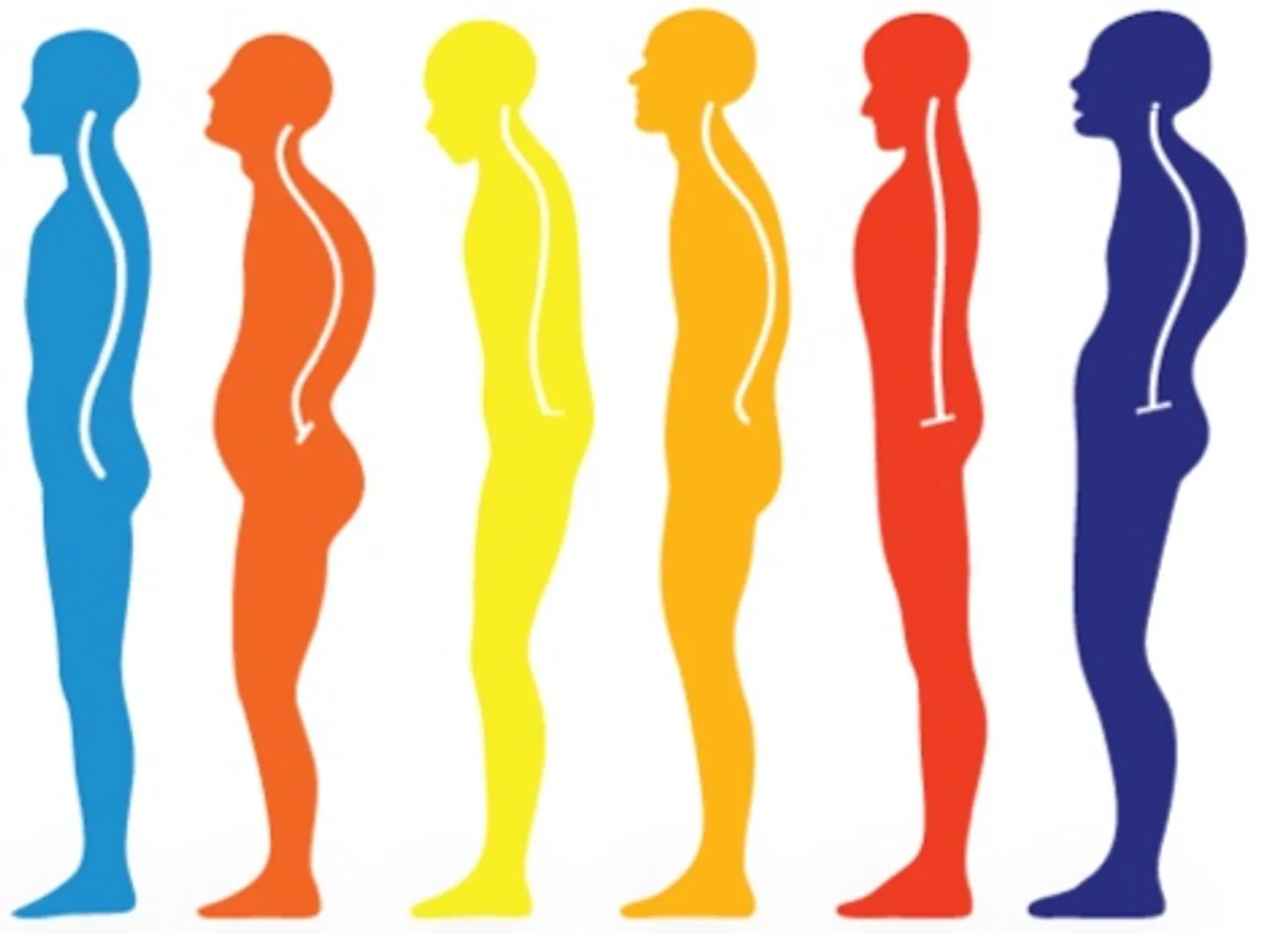
The postural assessment
Stages of a complete postural assessment:
- Collection of medical history and lifestyle habits — it is important to understand the personal factors (lifestyle, injury history) that influence posture.
- Assessment of body alignments — examination of postural reference points (shoulders, pelvis, knees) to detect asymmetries.
- Movement analysis — assessment of joint mobility and neuromuscular coordination.
- Sensory and proprioceptive tests — assessment of sensitivity and balance, often by balance tests.
Dynamic observation: analysis of gait and movements to identify compensation patterns.
The postural assessment identifies the specific areas to be treated in order to correct imbalances and prevent the appearance of pain or injuries.
Postural rehabilitation
Postural reprogramming is a set of therapeutic techniques aimed at correcting the imbalances identified and improving neuromuscular control. It includes specific exercises to strengthen weakened muscles, release excessive tensions, and restore good communication between the nervous system and the muscles.
- Stretching and myofascial release: to relax tense muscles and restore tissue suppleness.
- Muscular strengthening: targeting mainly the deep stabilising muscles (paravertebral muscles, abdominal muscles).
- Proprioceptive rehabilitation: work on coordination and balance to optimise postural reactions.
- Work on attention and body awareness.
- Breathing and relaxation techniques: the diaphragm plays a crucial role in posture, and adequate breathing can improve trunk stability.
Benefits of postural rehabilitation
- Reduction of chronic pain: by correcting detrimental postural patterns, it is possible to relieve muscular and joint tensions.
- Prevention of recurrence: a corrected posture reduces the risk of recurrence of musculoskeletal pain.
- Improvement of mobility and suppleness: reprogramming exercises contribute to better overall mobility, essential for daily and sporting activities.
Conclusion
Postural analysis, postural assessment and postural reprogramming represent an integrated and scientific approach to optimising posture and preventing chronic pain. They offer preventive and therapeutic solutions based on biomechanical and neuromuscular principles, allowing an improvement in quality of life and general well-being. For patients suffering from chronic pain or postural imbalances, this approach not only treats symptoms but also prevents their appearance, by restoring a harmonious body alignment.
Charbel J. Kortbawi DO, MSc.
Osteopath in Paris 16
Frequently asked questions (FAQ)
What is postural analysis in osteopathy?
Postural analysis is a global evaluation of body alignment, muscular chains and compensations. It identifies the imbalances at the origin of chronic pain and guides the osteopathic treatment plan.
How does osteopathy improve posture?
Osteopathy corrects joint restrictions and tissue tensions that disrupt posture. By restoring mobility and muscular balance, it allows the body to naturally adopt a more functional and less painful posture.
How many sessions to correct a postural problem?
Postural correction generally requires 4 to 8 sessions depending on the complexity of the imbalance. A complementary exercise programme is often prescribed to consolidate the results between sessions.
Can poor posture cause chronic pain?
Yes, an unsuitable posture generates repeated mechanical overloads on the joints, muscles and intervertebral discs, leading to chronic pain. Osteopathy and postural rehabilitation make it possible to correct these imbalances durably.