Running shoes and foot pain: which model should you choose?
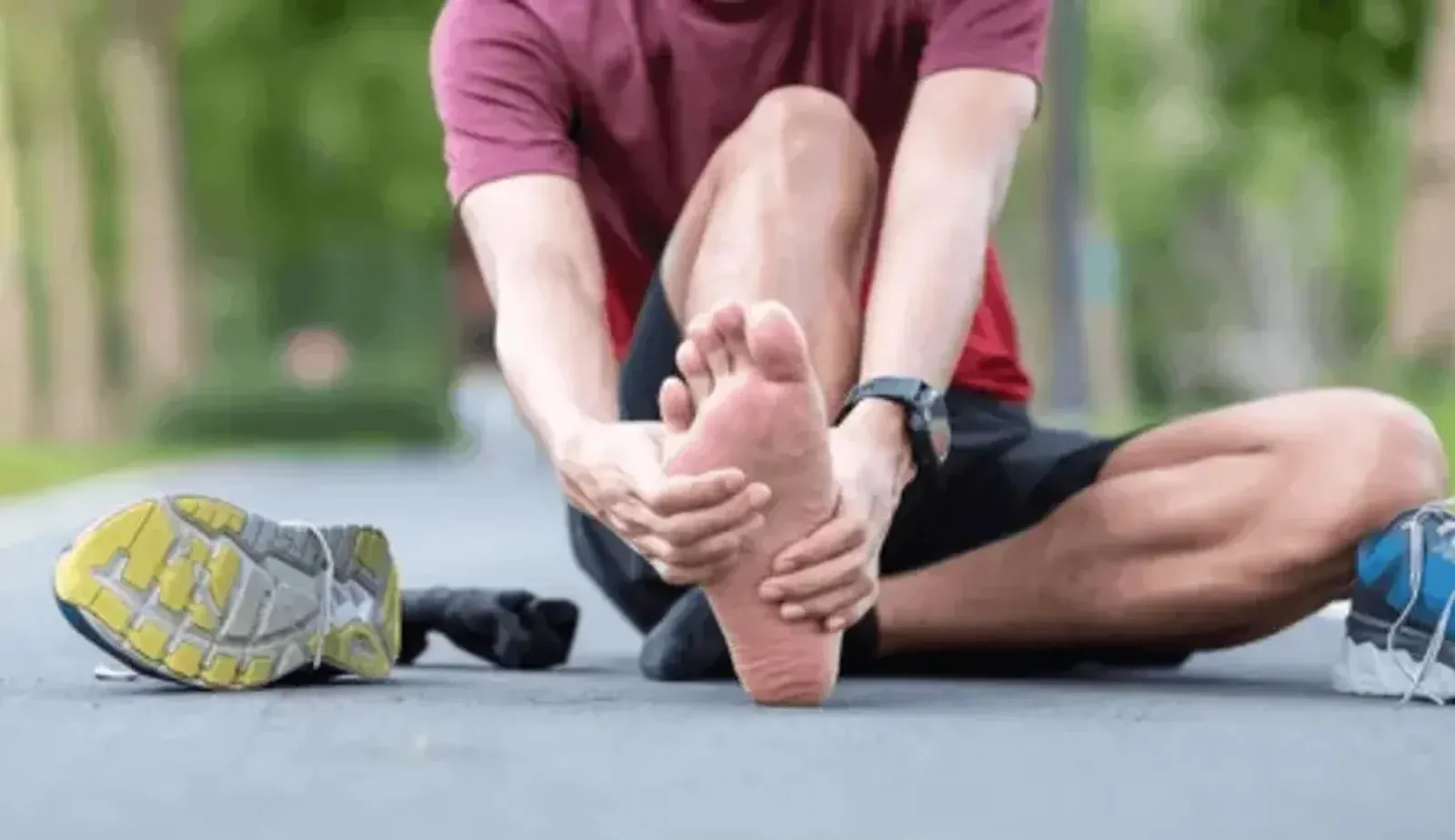
Running shoes suited to plantar fasciitis and heel spur. Plantar fasciitis, sometimes associated with a heel spur, is one of the most common causes of heel pain in runners. It occurs when the plantar aponeurosis — the thick ligament connecting the heel to the toes — becomes irritated or overloaded.
Beyond medical treatment, the choice of running shoes is decisive in limiting pain and preventing recurrence.
Essential features of a good running shoe
- Reinforced heel cushioning: to absorb impact at every stride.
- A suitable drop.
- Arch support: particularly useful in flat or high-arched feet.
- Sole stability: an overly flexible shoe increases mechanical loads.
- Comfortable fit: the shoe should support the foot without excessive compression.
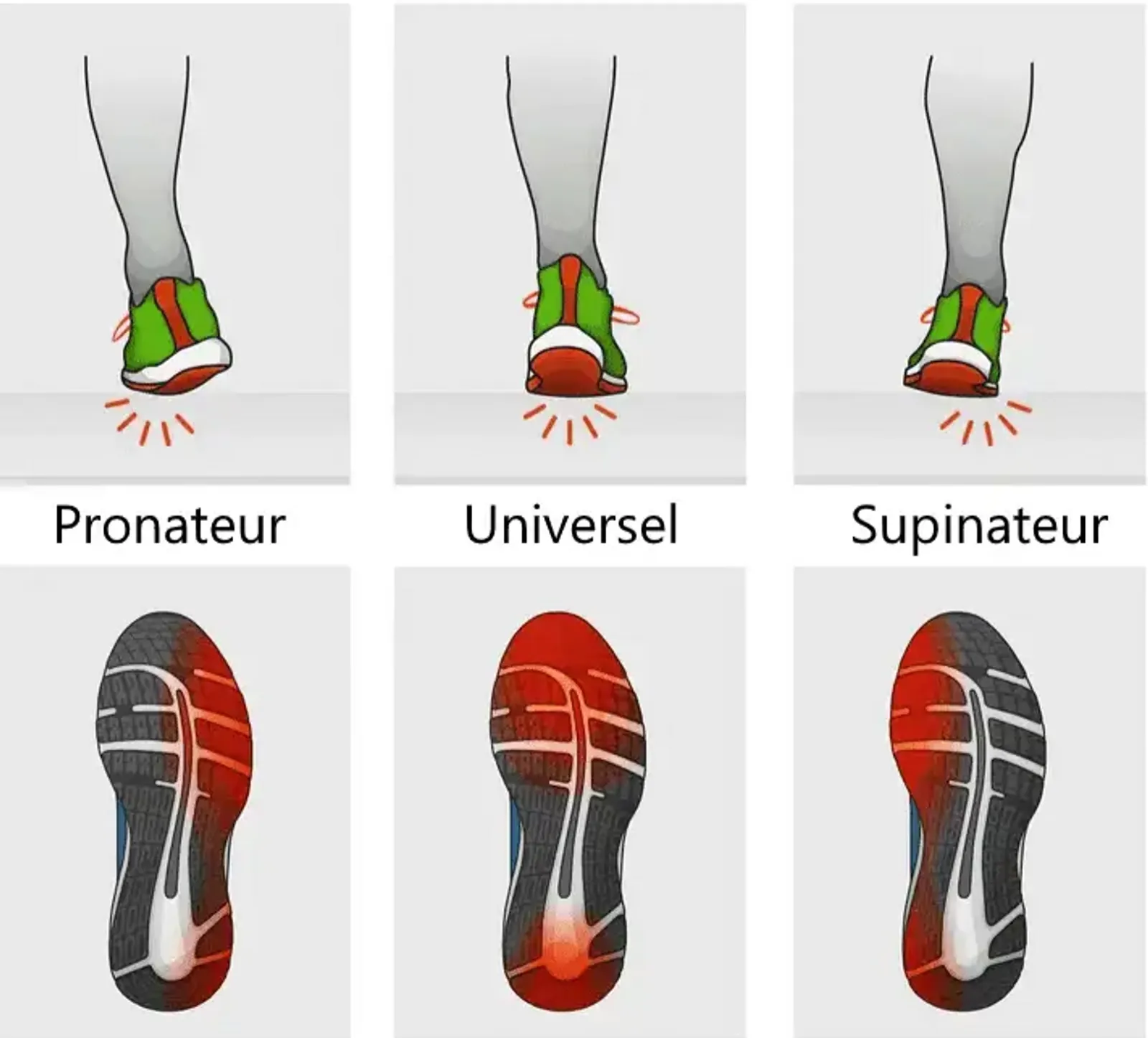
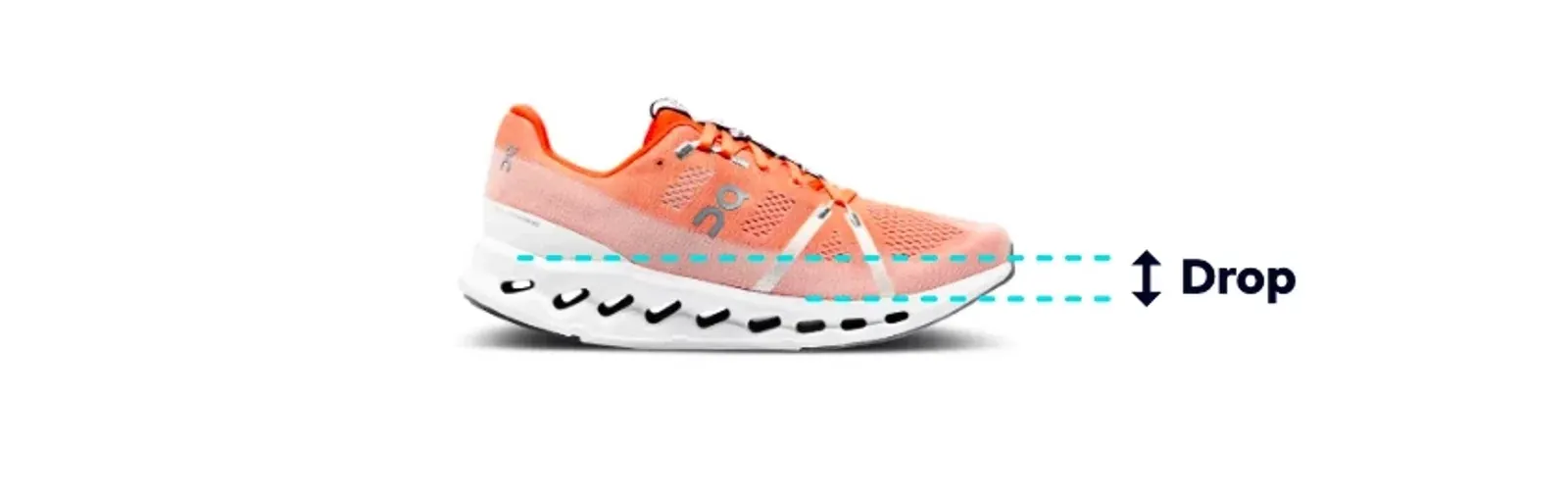
- Knowing your gait type (supination or pronation). Gait types during running. Understanding the role of drop in running shoes. The drop corresponds to the difference in height between the heel and the forefoot in a shoe. Low drop (0–5 mm): close to barefoot running, but increases tension on the plantar aponeurosis.
- Medium drop (6–9 mm): more versatile, but sometimes still demanding on a painful foot.
- High drop (10–12 mm): reduces traction on the plantar aponeurosis by relieving the heel.
- For runners suffering from plantar fasciitis or a heel spur, a medium to high drop (8–12 mm) is recommended.
What impact does the drop have on gait?
Conversely, a high drop favours a heel-strike pattern: the runner lands on the heel first, then rolls through the foot. This gait relieves the posterior chain (Achilles, calves, plantar aponeurosis) but increases the risk of greater vertical impact. This results in more mechanical loading on the knees, hips and lower back.
Examples of shoes suited to plantar fasciitis
Here are a few running models often recommended for runners with heel pain:
- Asics Gel-Kayano 32 → substantial cushioning and arch support.
- Brooks Adrenaline GTS → excellent stability, ideal for limiting pronation.
- Hoka Bondi 9 → thick soles and maximal cushioning, highly protective.
Practical advice for running without aggravating pain
- Change your shoes roughly every 700 to 800 km.
- Avoid running only on hard surfaces; prefer softer ground.
- Alternate between two pairs of shoes to vary loading patterns.
- Combine your sports practice with suitable stretching and muscle strengthening.
Conclusion
The choice of running shoes is central to the management of plantar fasciitis and heel spur. By opting for models with good cushioning, a stable sole and a suitable drop, you will reduce loading on your heel and be able to run with greater comfort and safety.
Osteopathy — Management of chronic pain — Sports

French Diploma of Osteopathy
Frequently asked questions (FAQ)
Can running shoes cause pain?
Yes, shoes that are unsuited to your gait pattern, body type or training level can generate foot, knee or back pain. A podiatry and osteopathic assessment identifies the biomechanical factors involved.
When should you change your running shoes?
It is recommended to replace your running shoes every 600 to 800 km. Uneven wear of the sole may indicate a gait issue that should be corrected with a professional.
Can osteopathy help with running-related pain?
Yes, osteopathy addresses the biomechanical imbalances (ankle, knee, hip, spine) that predispose to running injuries. It is particularly effective for tendinopathies, plantar fasciitis and iliotibial band syndrome.
How do you choose running shoes when experiencing pain?
If you are in pain, consult a podiatrist for gait analysis and an osteopath to identify associated joint dysfunctions. Opt for footwear with a moderate drop and cushioning suited to your weight and running surface.