Coccydynia: relieve tailbone pain
Tailbone pain: causes and symptoms
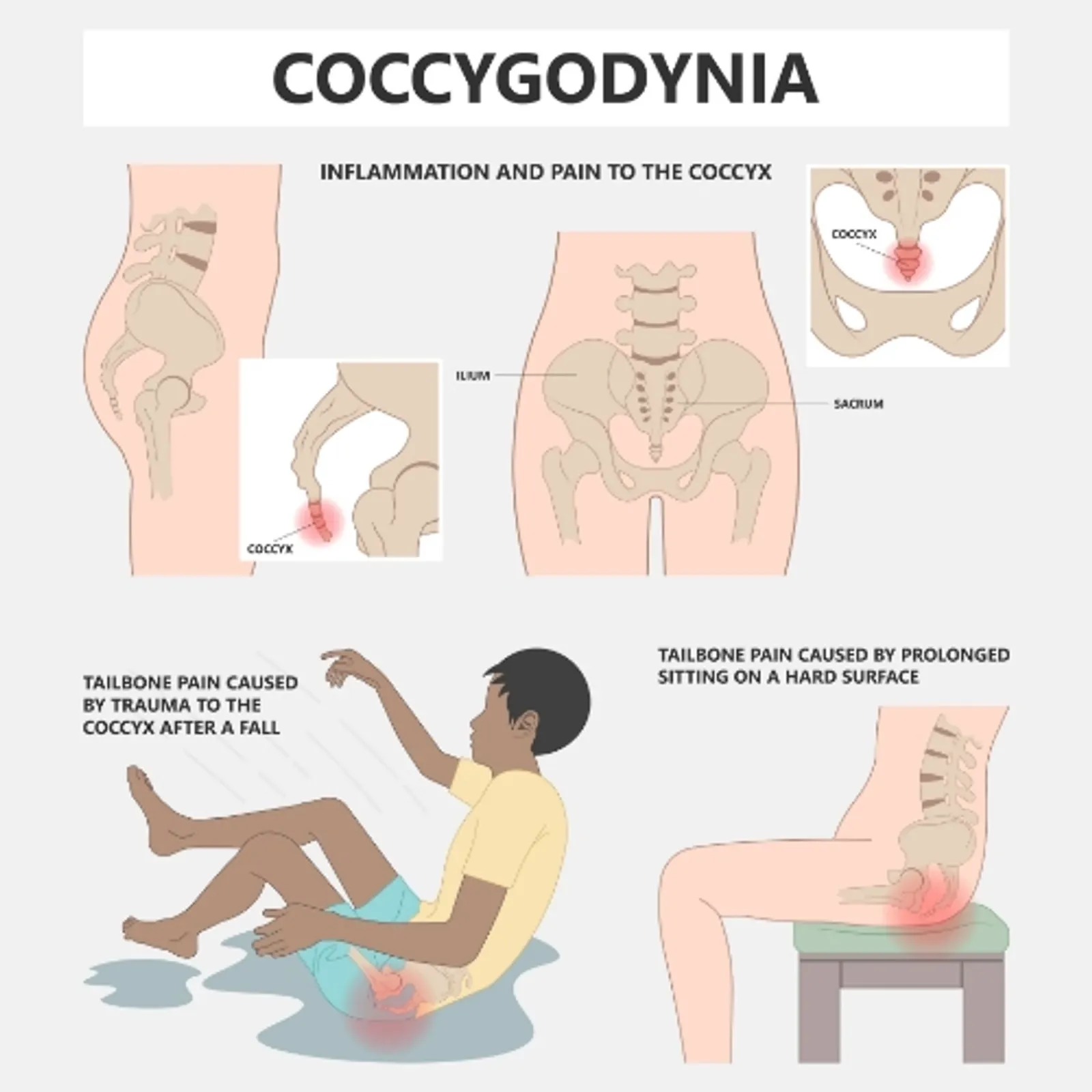
Tailbone pain, known as coccydynia, is pain localised at the lower end of the spine, at the level of the coccyx. This condition may be acute or chronic and can affect people of all ages. The causes of coccydynia are varied and may include trauma, repeated microtraumas, musculoskeletal disorders, or even idiopathic causes (with no apparent origin).
Anatomy of the coccyx
The coccyx is a triangular-shaped bone located at the caudal base of the spine, and is formed of three to five fused vertebrae. It plays an important role in the stabilisation and balance of the pelvis, serving as an anchor point for several muscles and ligaments, in particular those involved in supporting pelvic organs and controlling the movements of the pelvic floor.
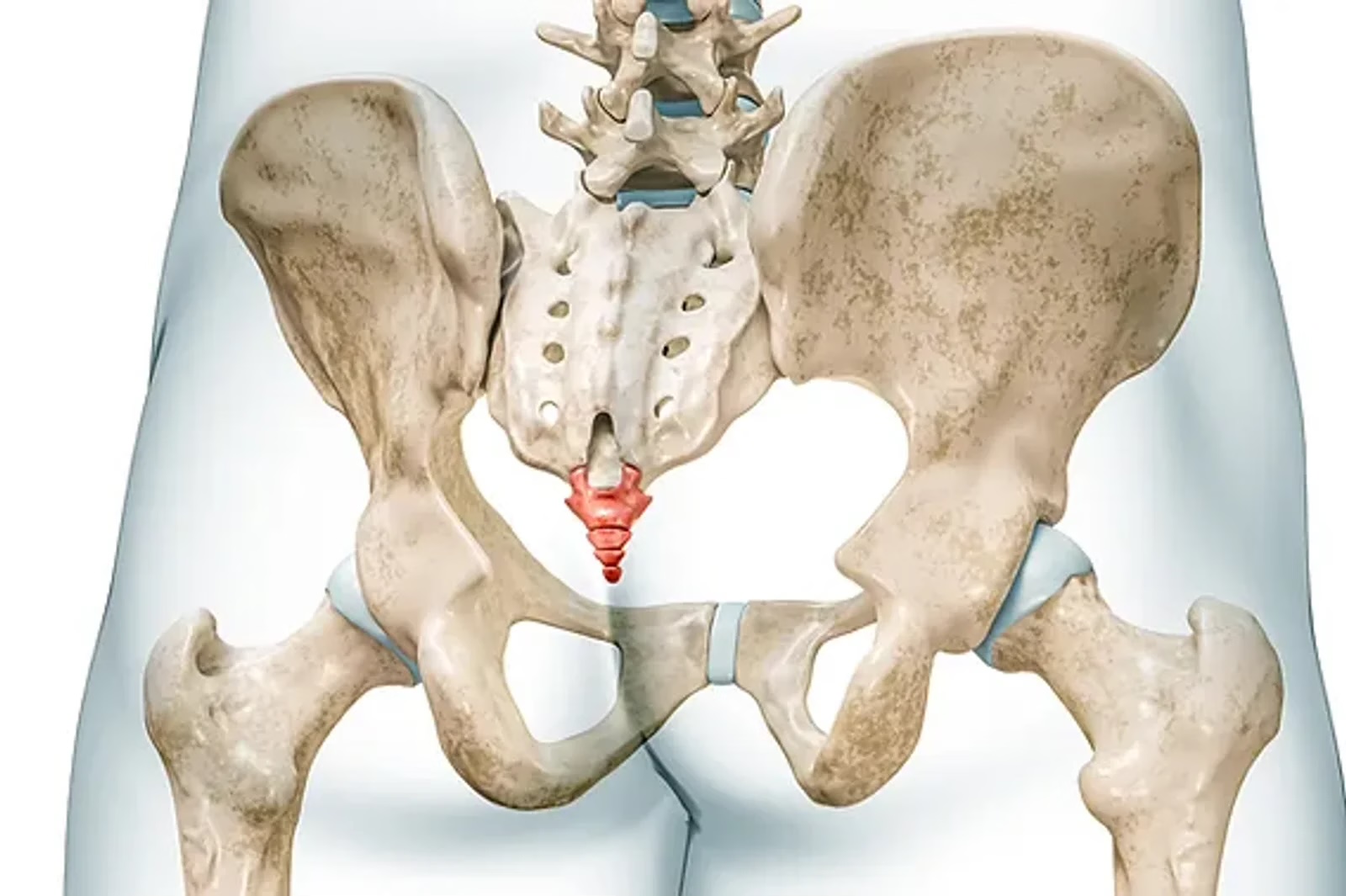
Most frequent causes of tailbone pain
- Trauma — — Falls or direct impacts on the coccyx region are the main causes of acute pain. A fracture, dislocation, or contusion of the coccyx may occur, causing severe and immediate pain.
- Repeated microtraumas — — Activities involving prolonged or repeated pressure on the coccyx, such as cycling or horse riding, can cause local inflammation of the tissues surrounding the bone.
- Obesity — weight gain can be a cause of tailbone pain due to the pressure exerted on the sacrococcygeal joint in the sitting position.
- Pregnancy and childbirth — — In some women, pressure exerted on the coccyx during pregnancy or trauma during childbirth may cause coccydynia.
- Musculoskeletal dysfunctions — — Poor posture, muscular imbalances at the level of the pelvis, or disorders of the lumbar spine may influence the alignment of the coccyx and contribute to pain.
- Idiopathic coccydynia — — In approximately 30% of cases, no obvious cause is identified. This may be due to a combination of complex mechanical and neurological factors.
Symptoms of coccydynia
People affected by coccydynia often describe a dull or sharp pain at the level of the coccyx, exacerbated by movements such as sitting down or standing up. In some cases, the pain may radiate to the lower back, buttocks, or pelvic region. Tenderness to touch is also frequent.
Diagnosis
Diagnosis of coccydynia relies on a thorough history and a careful clinical examination. Additional examinations such as X-ray or MRI may be necessary to rule out more serious causes, such as fractures, tumours or infections. Pain may also be referred pain (L5-S1). External palpation of the coccyx during physical examination can also reveal mechanical anomalies or local tenderness.
Treatment of tailbone pain
Treatment of coccydynia varies according to the underlying cause and severity of symptoms. Options include:
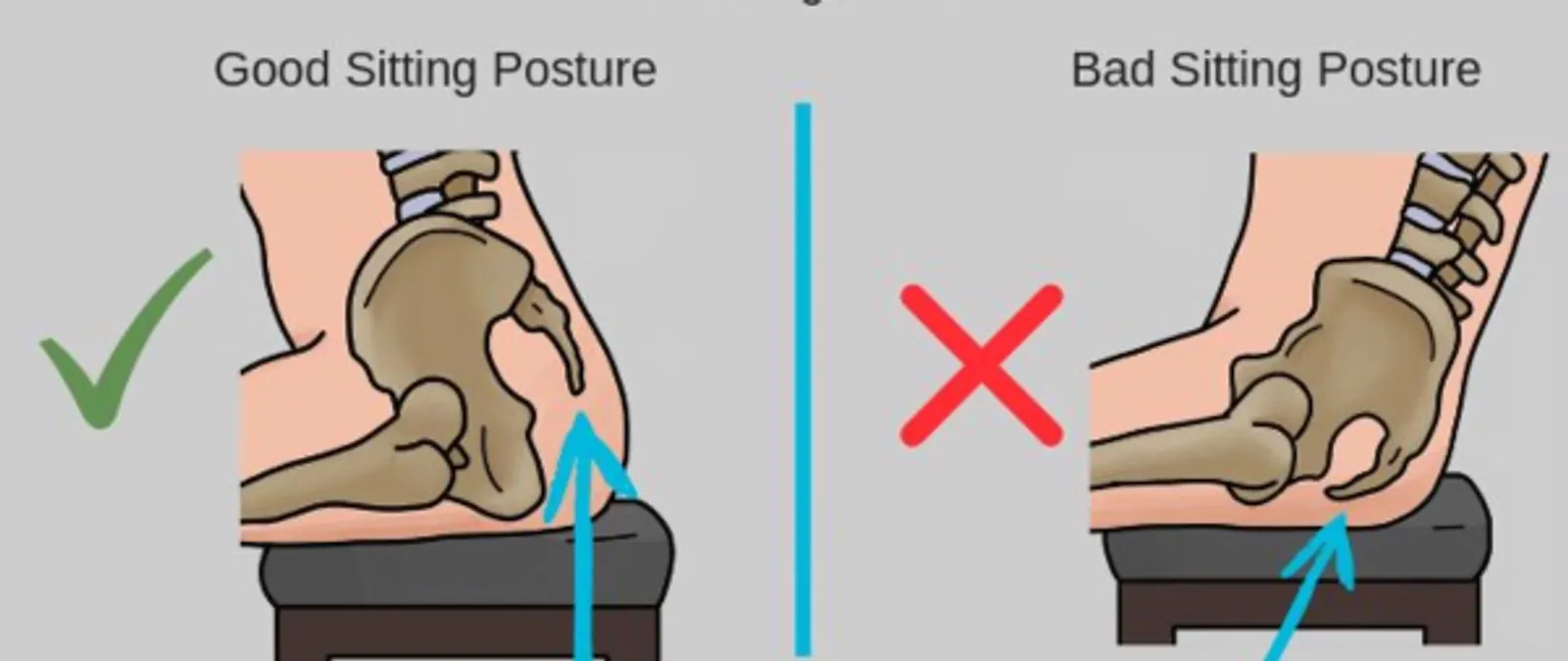
- Rest and postural modifications — — Avoiding activities that exert pressure on the coccyx and adopting a correct posture can relieve symptoms. Cushions specially designed to reduce pressure on the coccyx can be used.
- Manual therapies — Osteopathy, manual therapy and physiotherapy help relax the surrounding muscles and improve mobility of the pelvic region.
- Medication — — Non-steroidal anti-inflammatory drugs (NSAIDs) or analgesics may be prescribed to relieve pain. In some cases, corticosteroid injections may be offered to reduce local inflammation.
- Injections — — In cases of chronic pain, anaesthetic or corticosteroid injections at the level of the coccyx may be considered to block pain transmission.
- Surgery — — Coccygectomy (surgical removal of the coccyx) is a last-resort option, generally considered when conservative treatments have failed and the pain is disabling.
Prognosis
The majority of patients with coccydynia improve with conservative treatments, but some may develop chronic pain. It is essential to treat the underlying cause and adopt pain management strategies to improve quality of life.
Conclusion
Coccydynia is a painful condition that can have a significant impact on patients' daily lives. An accurate diagnosis and appropriate treatment are essential to relieve symptoms and restore function. Manual treatments, in particular osteopathy, play a key role in the management of tailbone pain by restoring postural balance and reducing local muscular tensions.
Frequently asked questions (FAQ)
Can osteopathy treat tailbone pain?
Yes, osteopathy is particularly effective for treating coccyx pain (coccydynia). Through gentle internal techniques or external mobilisations of the sacrum and coccyx, the osteopath reduces tensions and restores mobility to the region.
How many sessions to treat coccydynia?
Most patients notice improvement after 2 to 4 sessions. Chronic or post-traumatic cases may require more sessions and sometimes a complementary medical injection.
What are the causes of tailbone pain?
Causes include: falling on the buttocks, difficult childbirth, prolonged sitting, coccygeal hypermobility or blockage. The coccyx may also be painful due to tensions in the ligaments and muscles of the pelvic floor.
Can tailbone pain radiate into the back?
Yes, coccydynia can generate pain radiating into the lower back, the sacral region and the buttocks. Osteopathy treats the entire sacroiliac and lumbar chain to resolve these tensions at their source.